Israel recovers remains of last Gaza hostage as ceasefire enters a tougher second phase
Israel said it recovered the remains of Ran Gvili, described as the last hostage held in Gaza, a step tied to the completion of the first phase of a ceasefire with Hamas. The agreement now moves into a more complex stage involving border access, security arrangements, and reconstruction amid continuing humanitarian strain.
- PUBLISHED
- UPDATED
A recovery operation closes the first phase
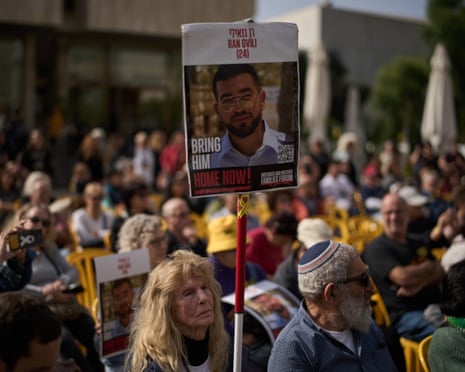
Israel said it recovered the remains of Ran Gvili, described as the last hostage held in Gaza, completing a key condition associated with the initial phase of a ceasefire arrangement with Hamas. Gvili, a police officer, was killed during the Oct. 7, 2023 attack and was found buried in northern Gaza, according to the report. ([apnews.com](https://apnews.com/article/c0b373a26ef7f4524b9b2bdad766cfda?utm_source=openai))
The return of the remains carried heavy symbolism inside Israel and was met with public mourning. Officials framed the recovery as proof that Israeli forces can still operate inside Gaza when needed, even as negotiations attempt to hold a fragile calm.
Why the next stage is harder
The ceasefire now shifts into a far more contentious second phase. Among the issues discussed are reopening the Rafah crossing with Egypt, deploying an international security force, disarming Hamas, and beginning large-scale reconstruction in Gaza—topics that have repeatedly stalled past efforts. ([apnews.com](https://apnews.com/article/c0b373a26ef7f4524b9b2bdad766cfda?utm_source=openai))
Each element requires coordination among multiple actors with conflicting goals. Border access affects humanitarian relief and mobility. Security arrangements raise questions about who controls Gaza’s territory and how enforcement would work. Disarmament remains a core political red line for Hamas, while Israel’s leadership argues that dismantling militant capability is essential to long-term safety.
Humanitarian pressure and access disputes
The report describes continued humanitarian strain and notes ongoing disputes about media and independent journalist access to Gaza. Israel’s Supreme Court was reviewing a petition from the Foreign Press Association seeking access for independent journalists, according to the same account. ([apnews.com](https://apnews.com/article/c0b373a26ef7f4524b9b2bdad766cfda?utm_source=openai))
For Gaza’s civilians, the practical stakes of the second phase include freedom of movement for urgent medical care, the flow of aid and goods, and the pace of rebuilding. Even with a ceasefire framework, the situation can deteriorate quickly if enforcement is weak or if political negotiations collapse.
What to watch next
- Whether border crossings open consistently and at meaningful scale for civilians and aid.
- Any formal mechanism for international security presence and its mandate.
- Timelines and funding commitments for reconstruction—and who administers them.
- Indicators of renewed fighting, including localized violence and retaliatory strikes.