U.S. envoys press Netanyahu to move Gaza ceasefire into second phase as Rafah talks intensify
Senior U.S. envoys urged Israel’s prime minister to advance the next stage of a ceasefire framework amid negotiations over Rafah crossing arrangements, troop withdrawals and monitoring proposals, while violence and disputes continued on the ground.
- PUBLISHED
- UPDATED
Top U.S. envoys met Israeli Prime Minister Benjamin Netanyahu to push for progress into the second phase of a Gaza ceasefire framework, as negotiators discussed border access, security arrangements and a possible monitoring mechanism. The talks came as regional actors weighed how to reopen the Rafah crossing and how to manage the next steps if Israeli forces withdraw from specific areas.
A central issue in the diplomatic push is the practical sequencing of steps: what conditions must be satisfied to unlock the second phase, what verifications are required, and which parties would police compliance. Egyptian officials have argued for reopening Rafah promptly, viewing it as a key lever for humanitarian flow and stabilization, while Israel has emphasized security concerns and the need for guarantees before making additional concessions.
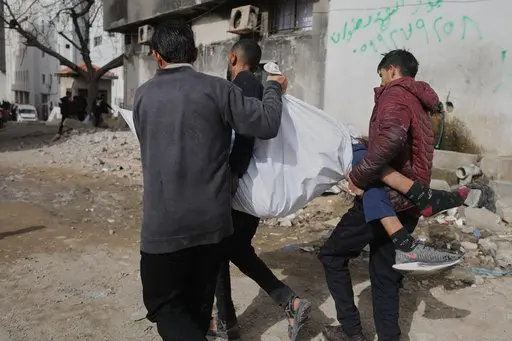
At the same time, events on the ground continued to complicate the political space for compromise. Reports of deadly incidents and competing accounts of who was involved reinforced mistrust. That pattern has repeatedly threatened ceasefire durability by producing fresh public outrage, pressure on decision-makers, and new demands from hardliners who oppose any steps perceived as limiting military freedom of action.
Diplomats and analysts say the next few days will show whether high-level U.S. pressure can translate into a workable package: movement at Rafah, clarity on monitoring, and an agreed timeline for withdrawals. Even if negotiators make progress on paper, implementation will hinge on verification, coordination with Egypt and other partners, and the ability of leaders to sell a phased approach to skeptical domestic audiences.
- Envoys urged advancement to the ceasefire’s second phase.
- Rafah crossing reopening and monitoring ideas were key discussion points.
- Continuing violence and contested narratives risked undermining diplomacy.
- Implementation would depend on sequencing, verification and political buy-in.