Trump’s Gaza ‘Board of Peace’ push faces European skepticism amid Greenland tensions
President Trump has elevated a Gaza ceasefire and reconstruction framework centered on a new “Board of Peace,” but European leaders have grown wary as Washington escalates disputes over Greenland and raises tariff threats. The diplomatic friction is complicating efforts to build a broad coalition for the plan even as the White House promotes it as a historic step forward.
- PUBLISHED
- UPDATED
A ceasefire plan tied to a new international body
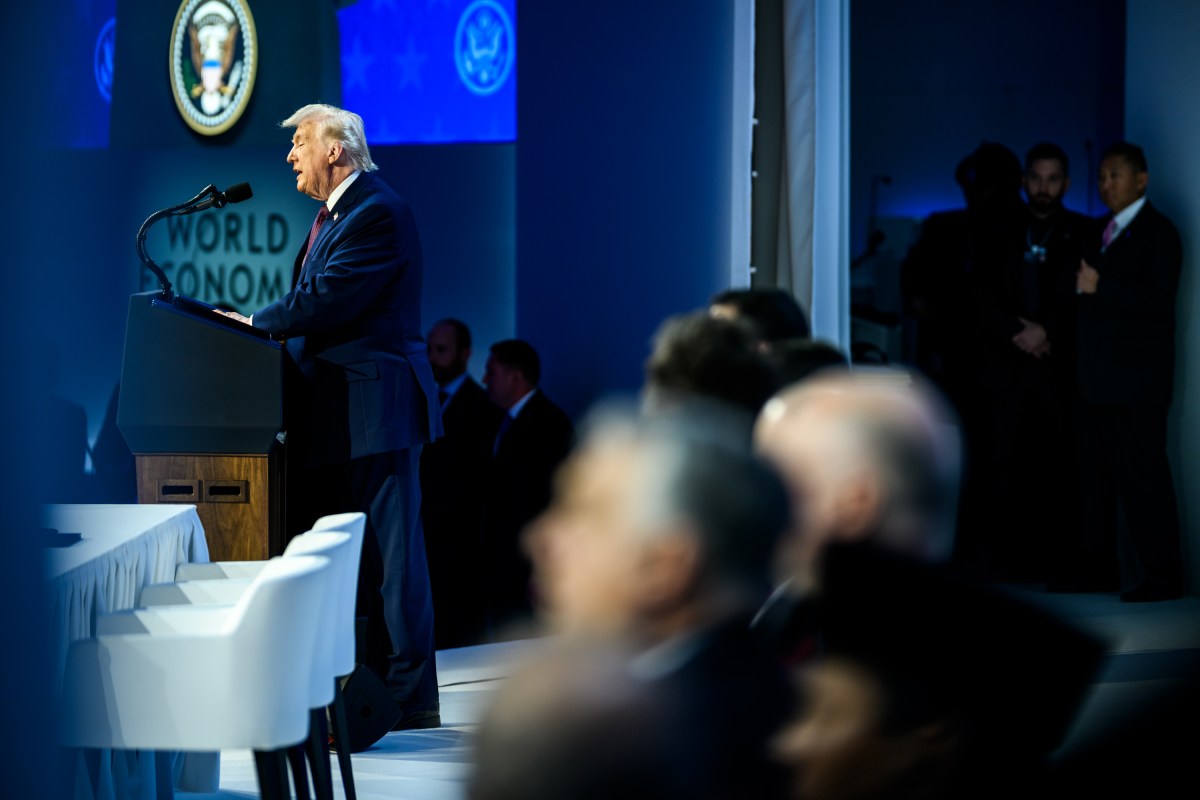
The White House has placed a newly created “Board of Peace” at the center of President Donald Trump’s Gaza strategy, framing it as an international mechanism meant to oversee demilitarization, governance changes, and large-scale rebuilding. In Davos, the administration described the board as a way to mobilize resources and enforce accountability while moving Gaza toward a more stable post-war future.
In official messaging, the board is presented as a formal organization with a charter and founding members, designed to move beyond temporary arrangements and create a durable structure for implementation. Administration officials argue that the framework is necessary to prevent a return to conflict and to coordinate the political and financial commitments required for reconstruction.
Why European buy-in is faltering
Despite early momentum, the effort has run into sharp skepticism from Europe as Washington’s posture toward key allies has hardened. Trump’s public threats and confrontational diplomacy, including disputes involving Greenland and tariff warnings aimed at European nations, have strained trust at a moment when the plan needs broad legitimacy and participation.
European governments have signaled concern about both process and substance: whether the board could undercut existing multilateral channels, how representation would work, and whether U.S. policy signals are consistent enough to sustain a long reconstruction timeline. Those concerns have made it harder for the administration to convert invitations into firm commitments from the partners whose money and political backing would be pivotal.
What to watch next
The board’s effectiveness now depends on whether the U.S. can stabilize relations with allies and clarify operational details: who funds projects, who provides security guarantees, what governance benchmarks will be used, and how disputes will be resolved. Without that clarity, the board may exist on paper while struggling to function at scale.
For Gaza, the stakes are immediate. The region’s humanitarian and infrastructure needs remain immense, and any long-term plan will require both local legitimacy and international consensus. The administration is betting that formalizing the initiative will create momentum; Europe appears to be signaling that momentum will require reassurance, coordination, and fewer geopolitical shocks.