Russia strikes Kyiv and Kharkiv as U.S.-mediated peace talks continue
Ukraine reported new drone and missile strikes hitting major cities even as negotiations involving U.S., Ukrainian, and Russian representatives continued abroad, underscoring the tension between battlefield realities and diplomatic efforts.
- PUBLISHED
- UPDATED
Attacks during negotiations sharpen questions about Russia’s intent
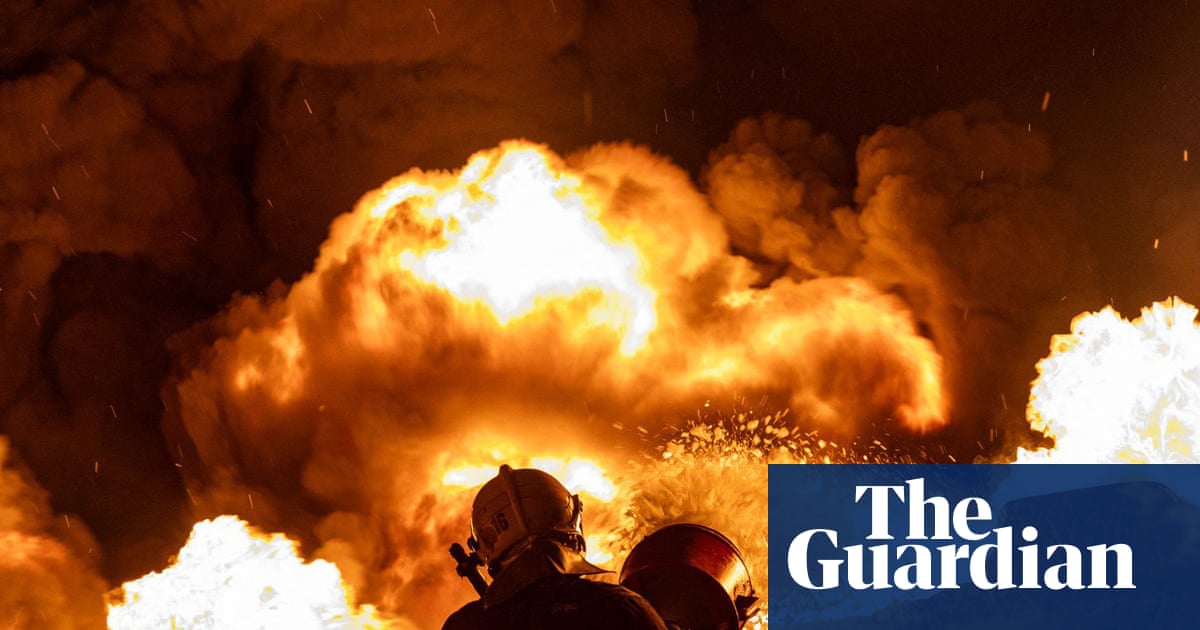
Ukraine said Russia launched a large wave of drone and missile attacks against major cities, including Kyiv and Kharkiv, during a period when U.S.-mediated diplomatic efforts were underway. Ukrainian officials portrayed the strikes as an attempt to pressure the country and disrupt momentum for negotiations, while also intensifying damage to energy infrastructure and civilian areas.
The reported attacks caused casualties and forced emergency services to respond in difficult winter conditions. Officials also described widespread disruptions tied to infrastructure impacts, including power and heating challenges that can become life-threatening when temperatures plunge. In Kharkiv, a city that has repeatedly been targeted, authorities said strikes hit sites near civilian facilities, adding to a growing humanitarian burden.
Diplomacy continues under fire
Despite the strikes, U.S.-backed talks continued, with participants signaling that additional rounds could follow. Supporters of negotiations argue that maintaining dialogue is essential to preventing further escalation and to creating a framework for a ceasefire or broader settlement. Skeptics counter that attacks timed alongside talks raise doubts about whether Moscow is negotiating in good faith or simply using the process to gain leverage.
Key issues remain unresolved, including territorial questions, security guarantees, and the long-term political status of contested regions. Analysts note that the largest obstacles are not procedural but substantive: any agreement would need to reconcile demands that have been mutually incompatible for much of the war.
What happens next
The continuation of talks alongside intensifying strikes suggests a dual-track reality: diplomacy proceeds, but military operations remain central to the pressure each side applies. If additional meetings are scheduled, observers will closely watch whether Russia reduces attacks, whether Ukraine’s partners push for more concrete steps, and whether any interim arrangement—such as localized pauses or humanitarian corridors—becomes feasible.
For civilians, the immediate concern is survival amid winter conditions and repeated disruptions. Each major strike on power systems can impose weeks of hardship, and the cost of repairs is compounded by ongoing attacks and limited access in some areas. The coming days will likely test both emergency preparedness and the durability of diplomatic engagement.