Myanmar’s election enters final stage amid airstrikes, exclusions, and widespread condemnation
Myanmar’s military-led election process moved into its final phase as conflict and political repression continued to shape the vote. Critics say exclusions, coercion, and violence have undercut credibility, while the junta frames the poll as a step toward stability and legitimacy.
- PUBLISHED
- UPDATED
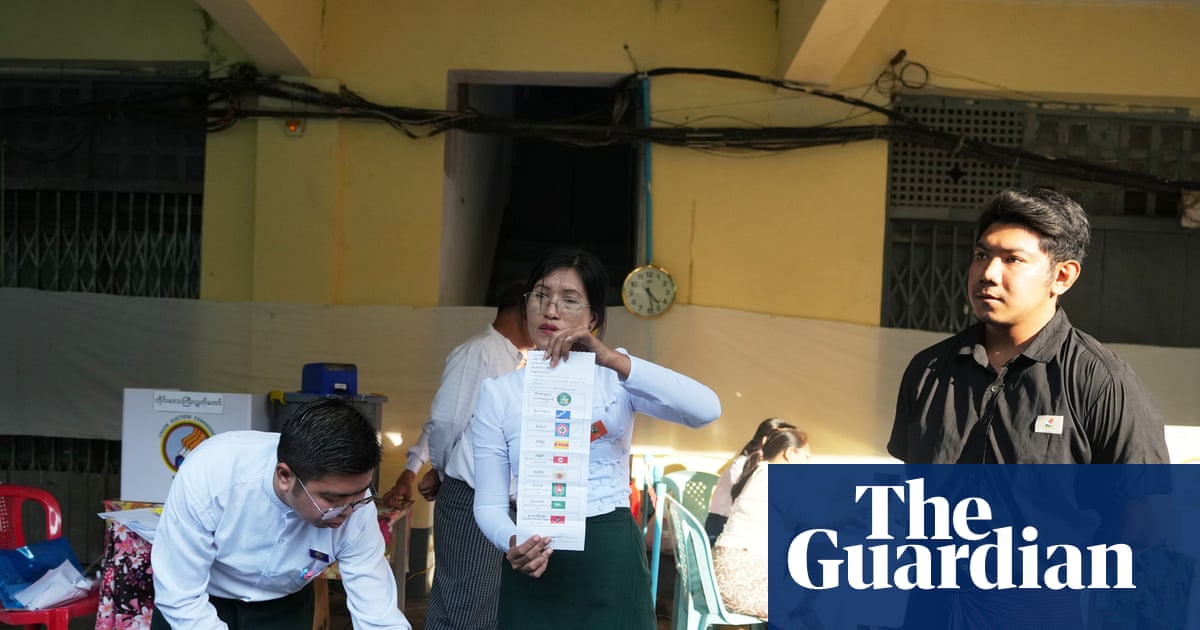
Myanmar’s election process advanced into its third and final phase on Sunday as the country’s military authorities sought to present the vote as a path back to normal governance. The balloting unfolded under the shadow of ongoing conflict, with large parts of the country gripped by fighting and communities reporting continued insecurity.
International criticism remained intense, with opponents of the junta and many outside observers portraying the election as neither free nor fair. The political landscape has been heavily reshaped since the 2021 coup that removed the civilian government, and key opposition forces have been weakened through arrests, bans, and pressure that analysts say makes genuine competition impossible.
The vote has also been marked by geographic and practical exclusions. In areas where fighting is ongoing, people have been unable to participate, and critics argue that the combination of conflict-driven disenfranchisement and restrictions on parties and candidates prevents the poll from reflecting nationwide consent.
The Guardian reported that the military-backed Union Solidarity and Development Party was expected to secure an overwhelming victory. In this context, observers say the vote functions less as a contest and more as a mechanism to formalize a political structure favorable to the armed forces.
The final-stage voting also came shortly after a military airstrike that killed civilians, reinforcing concerns about how violence and intimidation intersect with politics. Human rights groups have repeatedly warned that continued attacks, detentions, and constraints on civil society undermine any claim that the election is a credible democratic exercise.
Regional governments have been cautious, and some diplomatic groupings have declined to endorse the election or send observers. Critics say that without broad participation and meaningful political freedoms, the result is unlikely to reduce conflict or resolve Myanmar’s long-running legitimacy crisis.