Kremlin says Putin invited to join Trump’s Gaza ‘board of peace’ as questions mount
Russia said it has been invited to participate in a new Trump-backed “board of peace” aimed at overseeing a ceasefire and political transition in Gaza, a proposal that immediately drew criticism because of Moscow’s war in Ukraine. The Kremlin said it would seek clarification from Washington before deciding how to respond, while allies and rivals debated what authority, funding and legitimacy the body would have.
- PUBLISHED
- UPDATED
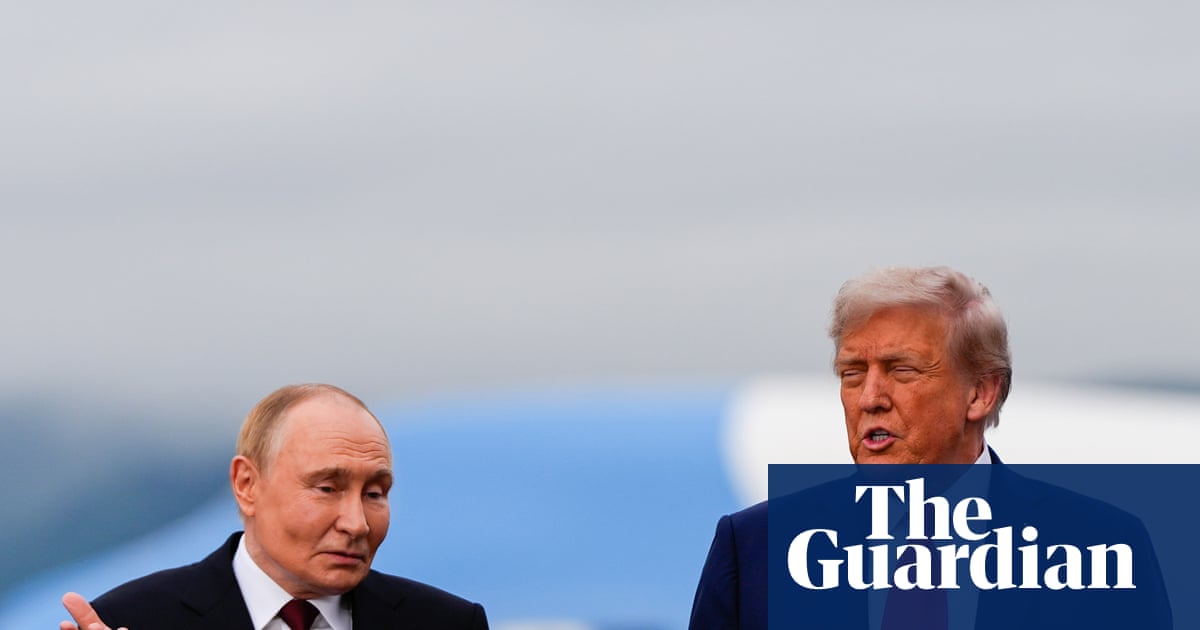
The Kremlin has said Russian President Vladimir Putin has been invited to join a new “board of peace” created by U.S. President Donald Trump that is intended to oversee a ceasefire and longer-term settlement in Gaza. Speaking in Moscow, Kremlin spokesperson Dmitry Peskov said Russia would first seek to clarify details with Washington before responding, signaling that the invitation itself has raised questions about the board’s purpose, membership and scope.
According to reporting by The Guardian, the board was presented as part of Trump’s ceasefire proposals for Gaza and is described as an international body that would supervise a transition toward what its charter calls “enduring peace” in areas affected by conflict. The plan also includes a committee of Palestinian experts intended to manage day-to-day governance in Gaza during the transition period.
The invitation to Putin is controversial because Russia remains deeply embroiled in the war in Ukraine, and critics argue that Moscow’s role in any high-profile peace mechanism would undercut the board’s credibility. The Guardian reported that the invitation has not been publicly confirmed by Washington, and the Kremlin has framed its next steps as a fact-finding exercise rather than an acceptance.
Initial appointments announced for the board include Trump as chair and a “founding executive board” that features former UK prime minister Tony Blair and U.S. Secretary of State Marco Rubio, alongside figures including Steve Witkoff, Jared Kushner and World Bank President Ajay Banga. The structure and participation of high-profile political and financial figures have fueled debate over whether the board is meant to be a diplomatic mechanism, a political project or something closer to a branded initiative.
The Guardian also reported that the board’s charter sets fixed terms for national leaders, while offering a path to permanent membership tied to a large fee—an arrangement that has intensified scrutiny of how the organization would be funded, who would control the funds, and what oversight would exist. Those details remain unclear, adding to skepticism among diplomats and analysts.
Some governments appear wary of joining. The Guardian reported that French officials indicated France would decline membership because the project extends beyond Gaza and could clash with established international structures. The charter reportedly criticizes institutions that it argues have failed to resolve global conflict, language interpreted by some observers as a swipe at the United Nations.
For Russia, the invitation offers potential influence in a high-profile Middle East file, but it also risks sharpening accusations that Moscow is being normalized despite its actions in Ukraine. With Gaza ceasefire efforts repeatedly stalling amid violence and diplomatic disputes, the board proposal is likely to remain contentious until its authority, enforcement tools and international backing are clearly defined.