Storm-driven outages highlight the tech that keeps grids and communications running
With Winter Storm Fern causing widespread outages and travel disruptions, utilities and emergency agencies are leaning on forecasting, grid-monitoring, and communications technology to prioritize repairs and coordinate response.
- PUBLISHED
- UPDATED
Weather intelligence becomes operational strategy
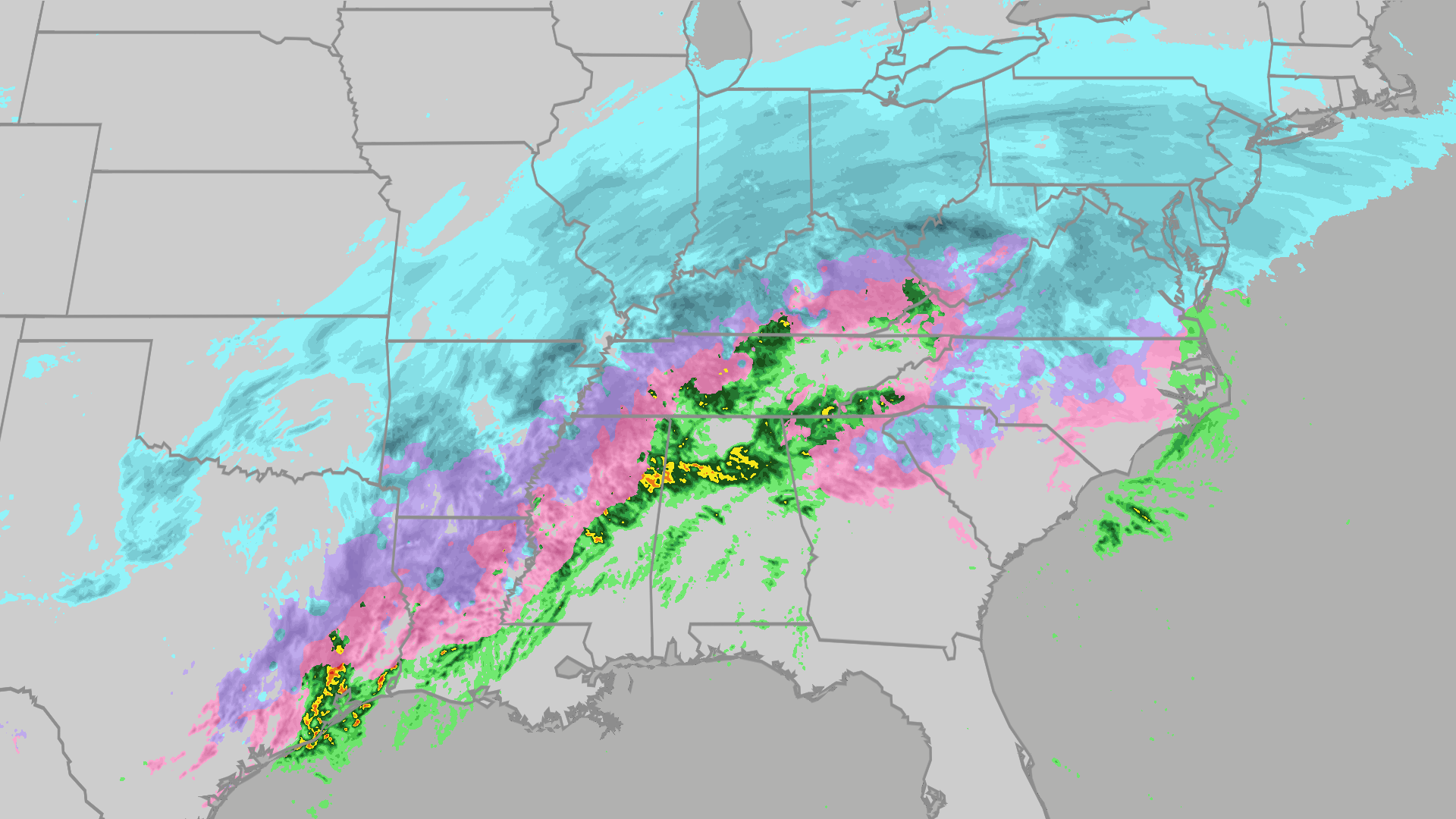
Winter Storm Fern’s scale has pushed utilities and emergency managers to depend heavily on modern forecasting and risk mapping. Detailed ice and snowfall projections help utilities stage crews and equipment before the worst conditions arrive. When the main hazard is ice, not just snow depth, precision matters: a narrow corridor of freezing rain can cause more infrastructure damage than broader snowfields.
Agencies have been pointing the public to official forecasts and hazard outlooks as conditions evolve hour by hour. The core value of these tools is less about predicting a single total, and more about timing: when precipitation changes type, when wind peaks, and when temperatures cross the freezing threshold that determines whether roads melt or refreeze.
Grid monitoring and restoration tech
Once outages begin, utilities use sensor networks and outage management systems to locate faults, estimate restoration times, and route crews. The biggest technical challenge in ice events is that damage can be widespread and repetitive: even after a line is repaired, new limbs can fall as conditions continue. Operators balance the fastest wins—restoring substations and large feeders—with the slower work of neighborhood-level repairs.
In regions where grid stress rises because of cold-driven demand, operators also manage power flows across interconnected systems. The objective is to keep the system stable while repairs are underway and demand remains high. That stability depends on communications networks, control software, and coordination across multiple utilities and regional operators.
Communication platforms and public safety
When roads are hazardous and power is unreliable, public communication becomes a technical problem as much as a public-safety one. Emergency alerts, transit updates, airline notifications, and utility restoration maps must work even as cell sites and local internet service experience interruptions. Many agencies advise residents to keep devices charged and to have backups, because the ability to receive reliable updates can be as important as supplies.
A reminder: resilience is not just hardware
Storms like Fern illustrate that resilience is a system: forecasting, grid operations, field logistics, and communications all have to work together. Even the best models cannot prevent ice from forming, but good tools can reduce the time to respond—and reduce the risk that localized damage cascades into wider disruption.