CES 2026 spotlights ‘physical AI’ push as chipmakers and robotics take center stage
At CES 2026 in Las Vegas, AI-driven chips, robotics, and new “physical AI” concepts dominated early showcases, with Nvidia, AMD, Intel and partners pitching platforms aimed at everything from factories to autonomous vehicles and home assistants.
- PUBLISHED
- UPDATED
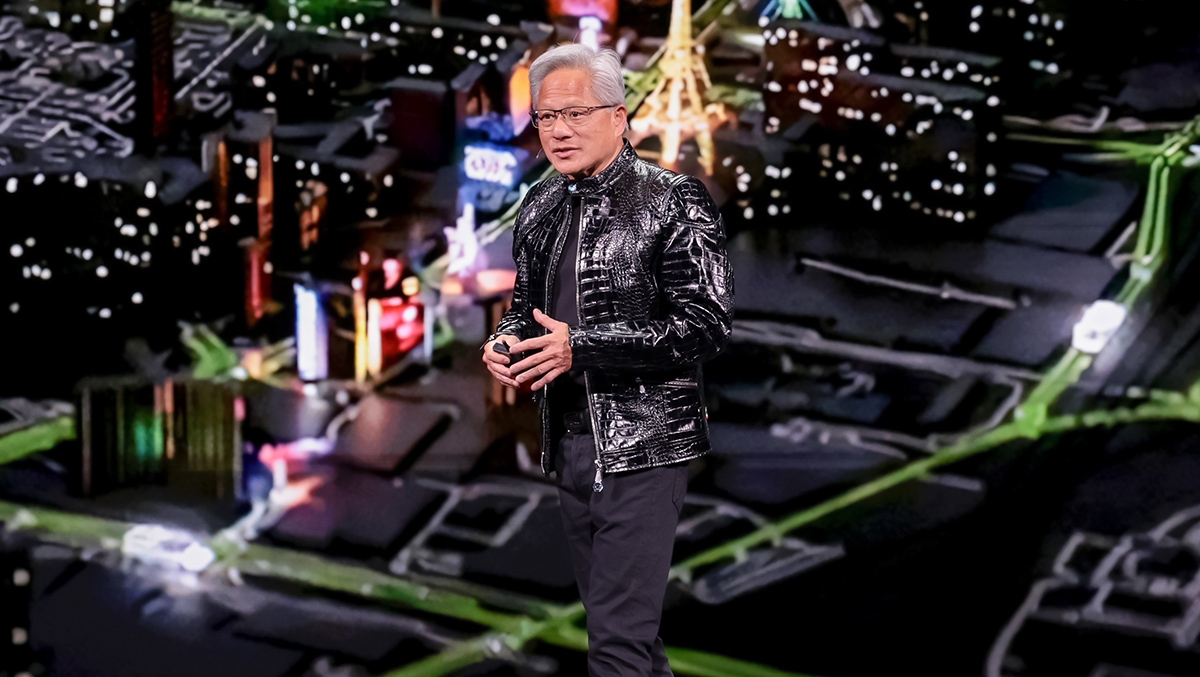
CES 2026 in Las Vegas opened with artificial intelligence threaded through nearly every major announcement, as chipmakers and consumer-tech companies raced to position themselves for the next stage of AI adoption. Nvidia, AMD, and Intel used early showcases to push new chips and platforms, while robotics—ranging from practical industrial machines to consumer-friendly companions—served as the event’s most vivid proof-of-concept.
Nvidia’s keynote leaned heavily into what it calls “physical AI,” the idea that models can be trained in simulated environments using synthetic data and then deployed into real machines once they have mastered tasks. The pitch is that simulation-heavy training can accelerate development for robotics, manufacturing, and autonomous systems—especially in settings where collecting real-world training data is expensive or risky.
Alongside the conceptual framing, the show’s real message was hardware: AI is still hungry for compute, and companies want to sell the silicon and systems that power it. AMD highlighted new Ryzen AI chips and gaming-focused processors, while Intel previewed its own next-generation chip roadmap and new gaming and handheld concepts. For consumers, the promise is faster on-device AI; for enterprises, it is higher throughput and lower costs in AI-assisted workflows.
Partnerships were also a major theme. Siemens and Nvidia emphasized efforts to apply AI to industrial processes—aiming to modernize manufacturing, supply chains, and production planning. The implication is that the next large AI market, beyond chatbots and creative tools, could be industrial: optimizing factories, reducing downtime, and improving complex planning through AI-driven digital models.
Robotics and autonomous mobility offered the show’s clearest demonstrations. The presentations featured robots designed for homes and workplaces, and renewed attempts at autonomous transport concepts from major brands. Some were practical—automation for airports and cleaning—while others targeted the consumer imagination. In both cases, the sales argument was similar: AI becomes more valuable when it can act in the real world, not only generate text or images.
CES is often criticized as a parade of prototypes, but CES 2026 reflected a more mature AI industry than previous cycles. The emphasis was less on novelty and more on platforms—chips, models, and partnerships that can be deployed at scale. Even when the demos looked playful, the underlying business strategy was clear: win mindshare now, ship products later, and lock developers and customers into ecosystems built around AI-first hardware.