Pam Bondi faces backlash after demanding Minnesota voter rolls amid immigration enforcement surge
U.S. Attorney General Pam Bondi drew sharp criticism after seeking access to Minnesota’s voter rolls and public assistance data in a letter to Governor Tim Walz. Legal and voting-rights experts questioned the request’s basis and warned against federal pressure tactics as Minnesota grapples with unrest tied to immigration enforcement.
- PUBLISHED
- UPDATED
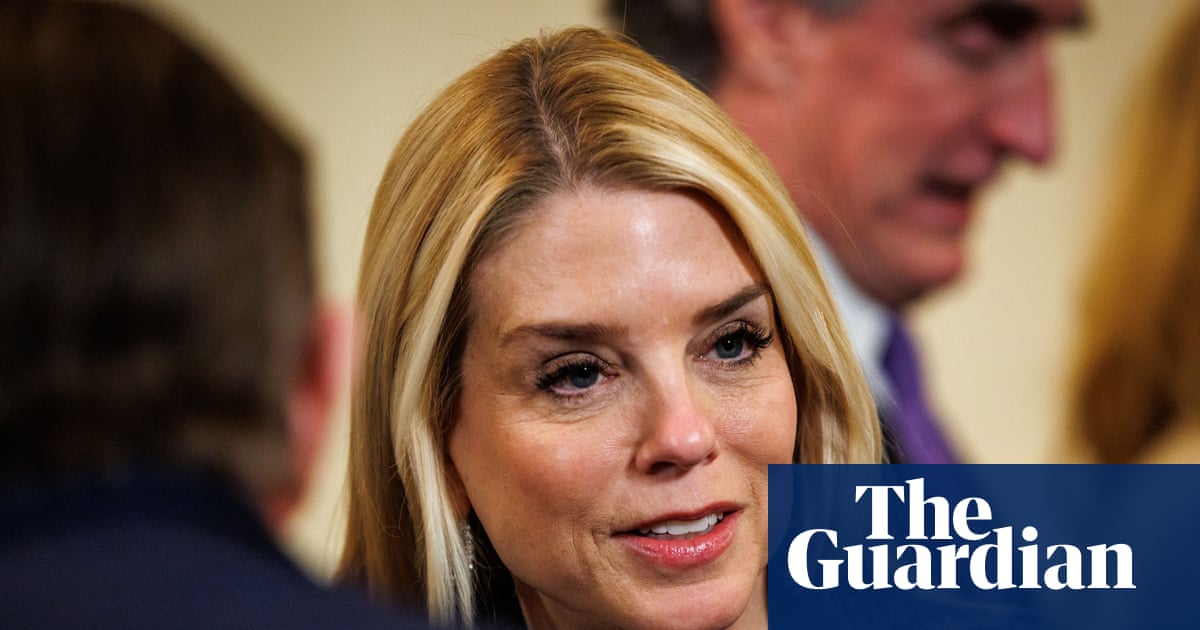
U.S. Attorney General Pam Bondi is facing escalating criticism after demanding access to Minnesota’s voter rolls in a letter to Governor Tim Walz, a move that drew immediate alarm from election officials and voting-rights advocates. The request surfaced as Minnesota dealt with intense scrutiny of federal immigration enforcement actions and community unrest following a deadly weekend incident in Minneapolis.
According to reporting, Bondi’s letter did more than seek voter information. It also pressed the state to hand over data related to public assistance recipients and to reverse or weaken sanctuary-style policies. Critics argued the demands read less like a routine compliance inquiry and more like an attempt to use federal leverage to compel state cooperation on unrelated policy goals.
Minnesota’s top election official rejected the request, saying that turning over sensitive personal data would violate privacy protections and could expose millions of residents to unnecessary risk. Experts interviewed in coverage questioned why voter rolls would be tied to immigration enforcement and noted that public evidence of widespread non-citizen voting in Minnesota has not been presented.
The dispute also connects to a broader legal strategy: the Justice Department has sought access to state voter files in multiple states, arguing it needs information to ensure compliance with federal election statutes and recordkeeping obligations. Opponents counter that the scope of requested data is excessive and could chill voter registration by making people fear their information will be centralized and used for political ends.
Legal observers pointed to recent court setbacks for similar federal efforts, emphasizing that judges have questioned the government’s rationale and highlighted the risks of collecting large volumes of identifying data. State officials and advocacy groups warned that the precedent could enable future federal interference in election administration, an area that is primarily overseen by states.
Bondi’s demand quickly became a flashpoint in Washington’s broader debate over election integrity versus voter intimidation. Supporters framed the move as an effort to verify compliance and ensure accurate rolls, while critics said it conflates administrative oversight with coercion—especially when paired with high-profile immigration enforcement pressure.
As the political fight intensifies, Minnesota leaders signaled they would resist what they view as an unlawful request. The clash is likely to spill into court proceedings and congressional debate, with implications for how far the federal government can go in seeking state-level voter data and how states can safeguard privacy while meeting federal transparency requirements.