Secretary of State Marco Rubio set to testify to Senate panel on Venezuela actions
Secretary of State Marco Rubio is scheduled to testify before the Senate Foreign Relations Committee on January 28, as lawmakers press for more transparency on the administration’s Venezuela and Caribbean actions.
- PUBLISHED
- UPDATED
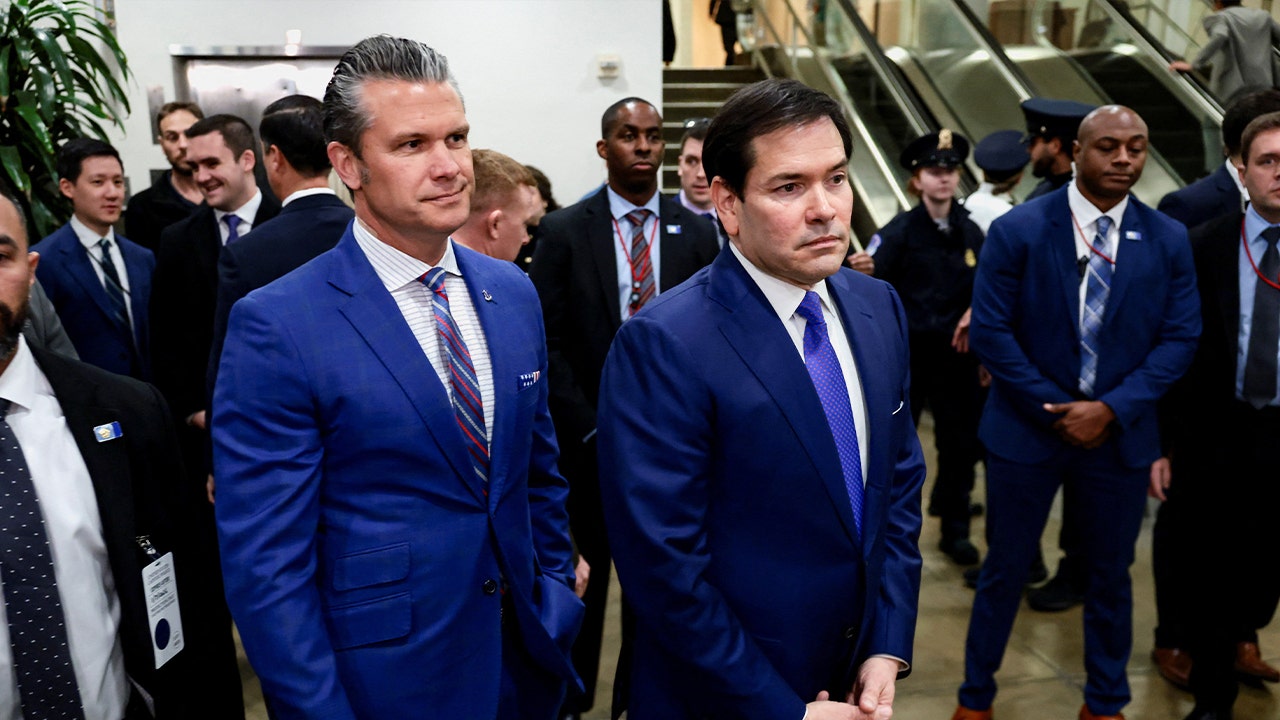
Rubio returns to the Senate for a Venezuela-focused hearing
Secretary of State Marco Rubio is scheduled to appear before the Senate Foreign Relations Committee on Wednesday, January 28, 2026, in a public hearing centered on the Trump administration’s actions involving Venezuela and the Caribbean. The appearance follows heightened congressional attention and calls for clearer communication about strategy, objectives, and legal authorities.
The hearing is expected to give senators a direct chance to question Rubio on the administration’s approach, including how it is defining U.S. goals in the region and how it intends to keep Congress informed if circumstances shift toward a larger military posture. The hearing also reflects ongoing friction over the balance between executive action and congressional oversight when it comes to potential hostilities.
What lawmakers want clarified
- Scope and purpose: what the administration’s phased plan is designed to achieve and on what timeline.
- War powers and authorization: what actions would trigger a request for explicit congressional approval.
- Transparency: how Congress will be briefed on operational decisions and risk assessments.
- Regional implications: how the U.S. is managing spillover effects and partner concerns in the Caribbean.
The backdrop includes concerns from some lawmakers that U.S. involvement could escalate and that Congress should play a central role if the situation moves into sustained hostilities. Rubio, a former senator, has been positioned as a key messenger to Capitol Hill, and his testimony is likely to be framed as both a policy explanation and a political commitment to consultation.
The stakes are high because Venezuela policy intersects with energy markets, regional stability, migration pressure, and the credibility of U.S. commitments abroad. Senators are likely to probe how the administration evaluates these tradeoffs, what safeguards it believes are necessary, and how it plans to respond if conditions deteriorate.
Even if no immediate policy change is announced at the hearing, the session can shape subsequent congressional action: future reporting requirements, restrictions, authorizations, or broader debates over executive discretion. For now, the scheduled testimony signals that pressure for public explanations is not easing.