Minneapolis demands answers after federal agents kill nurse during ICE crackdown protests
Protests and political pressure intensified in Minneapolis after federal immigration officers fatally shot Alex Pretti, an ICU nurse, amid demonstrations against immigration enforcement. Local leaders and advocates are calling for accountability and transparency.
- PUBLISHED
- UPDATED
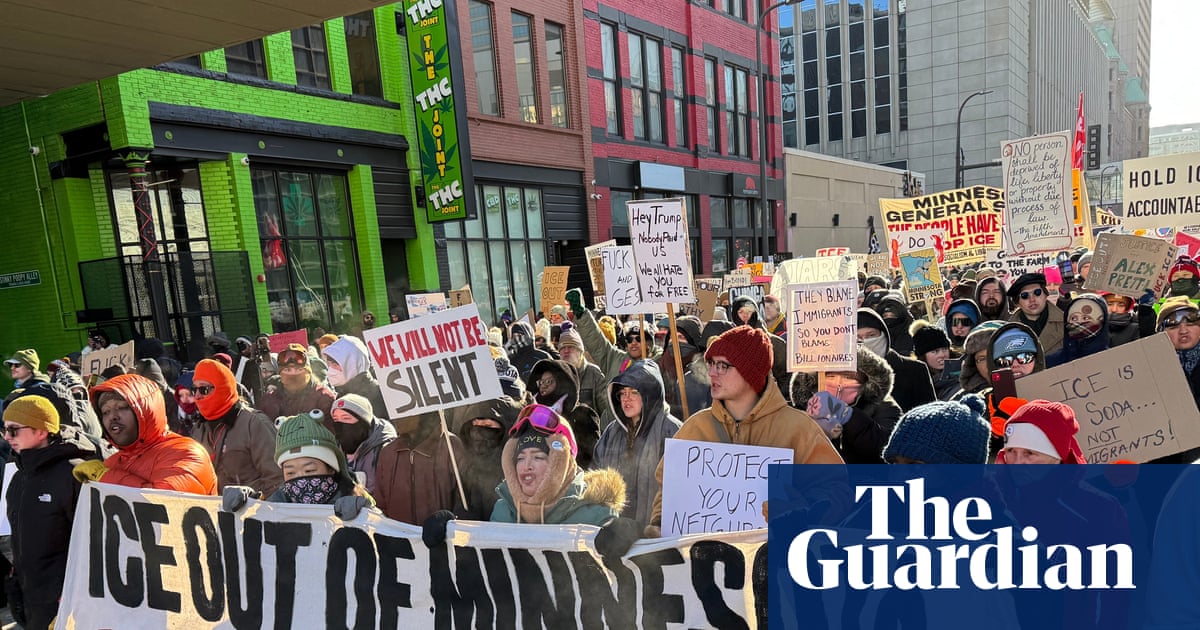
Shooting sparks renewed scrutiny of federal enforcement tactics
The political fallout from a fatal shooting in Minneapolis continued to build on Monday, January 26, 2026, after federal immigration officers killed Alex Pretti, a 37-year-old intensive care nurse, during unrest linked to immigration enforcement in the city. Community members, elected officials, and civil liberties advocates have demanded clearer answers about what happened and what rules govern federal operations on local streets.
Public anger has been amplified by cellphone video and eyewitness accounts circulating online, which have fueled disputes over official characterizations of the encounter. Supporters of the victim say he was recording officers and trying to assist a woman during a chaotic moment, while federal officials have portrayed the situation as involving a threat to agents. The conflicting narratives have intensified calls for an independent investigation and public release of more evidence.
City Council member Aisha Chughtai described an atmosphere of fear in immigrant neighborhoods and urged state and local leaders to take stronger steps to protect residents and ensure oversight. She and other officials have pressed for federal agents to leave the area and for accountability measures that include identifying the officers involved and clarifying the chain of command behind the operations.
Broader political stakes
The incident has become a flashpoint in a wider national debate over immigration enforcement, protest policing, and the role of federal agents in local jurisdictions. Critics argue that aggressive tactics and opaque deployments undermine public trust and risk escalating confrontations, while supporters of stricter enforcement say officers face serious threats and must be able to act decisively.
As demonstrations continued, political pressure also shifted to Washington, where lawmakers and advocacy groups have raised questions about policy direction, use-of-force standards, and whether new guardrails are needed. The controversy is also likely to test relationships between federal agencies and city officials trying to maintain public order while responding to community demands.
For Minneapolis, the immediate focus remains on transparency and de-escalation. Local leaders have pushed for a clearer accounting of what occurred and for steps intended to reduce the risk of additional violence. The longer-term impact may depend on investigative findings, potential disciplinary action, and whether federal authorities change tactics or draw down operations in response to the public backlash.