Jack Smith defends Trump investigations in contentious House hearing
Former special counsel Jack Smith told lawmakers that “no one should be above the law” as he defended his Trump investigations, rejecting Republican claims of politicization and describing the work as standard enforcement of criminal statutes.
- PUBLISHED
- UPDATED
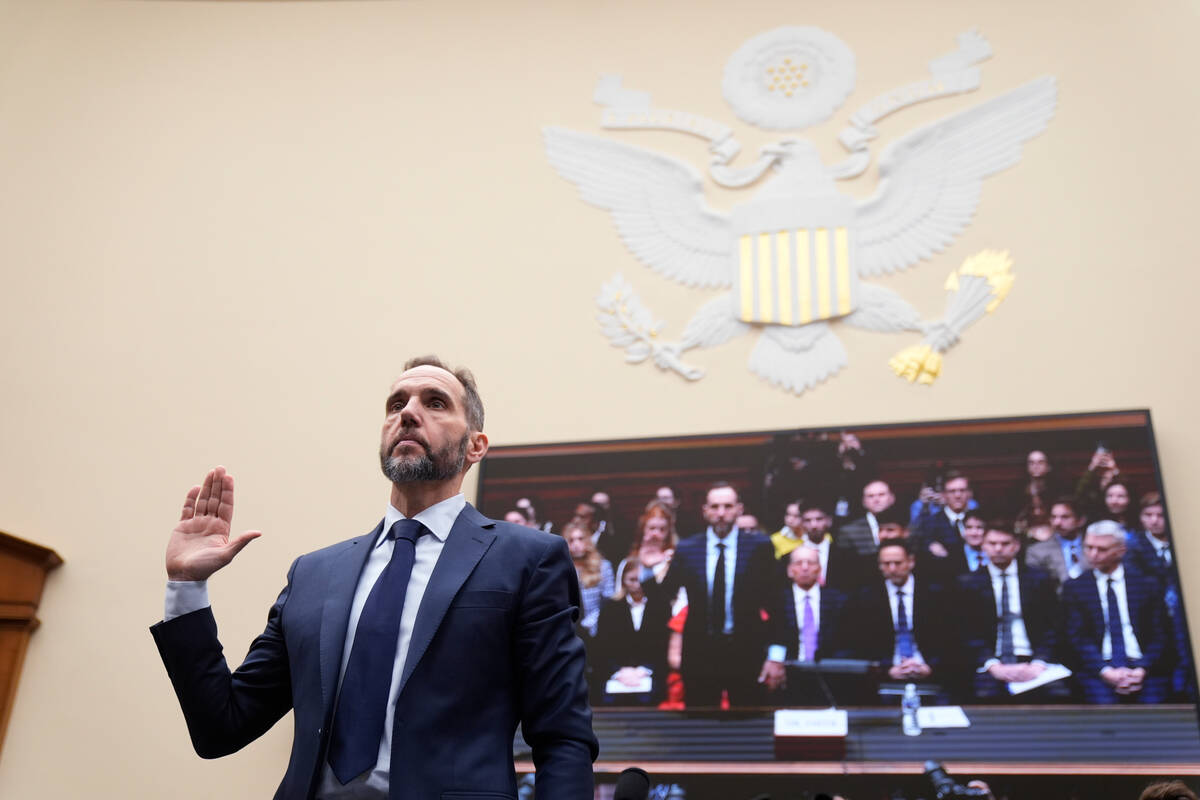
Former Justice Department special counsel Jack Smith appeared before the House Judiciary Committee and forcefully defended his investigations of President Donald Trump, telling lawmakers that “no one should be above the law.” Smith framed his work as an evidence-driven effort to apply criminal statutes to conduct he said met prosecutorial standards, and he rejected accusations that his team acted as a political weapon.
The hearing unfolded along sharply partisan lines. Republican members argued that Smith’s approach reflected overreach and bias, while Democrats defended the legitimacy of the investigations and warned that attacks on prosecutors could weaken institutional independence. Smith insisted that decisions were made through normal Justice Department processes and were guided by the factual record rather than party politics.
Smith discussed the investigations involving efforts to overturn the 2020 election and the handling of classified documents after Trump left office, emphasizing what he described as significant evidence supporting criminal charges. He said that, given the same facts, he would make the same decisions again regardless of who was involved or what office they held.
Republicans focused on investigative tactics such as subpoenas and efforts to obtain phone records, calling them intrusive and constitutionally problematic. Smith responded that such tools are commonly used in complex investigations and argued that they were necessary to build an accurate timeline and test competing accounts.
The broader context is the Justice Department policy that generally bars prosecuting a sitting president, a factor that shaped how Smith’s cases concluded after Trump returned to office. Even so, the hearing underscored how the investigations remain central to ongoing political conflict over accountability, institutional power, and the boundaries of executive authority.
Smith also addressed concerns about potential retaliation and pressure on federal law enforcement, warning that threats against prosecutors and investigators can chill legitimate work. The hearing made clear that the fight over the investigations is now as much about the future independence of the Justice Department as it is about the cases themselves.