Federal agent killing in Minneapolis triggers protests and new political pressure
The fatal shooting of Alex Pretti by federal agents in Minneapolis has intensified political conflict over immigration enforcement tactics, drawing condemnation from state and local officials and prompting renewed calls for investigations and accountability.
- PUBLISHED
- UPDATED
A deadly incident becomes a national flashpoint
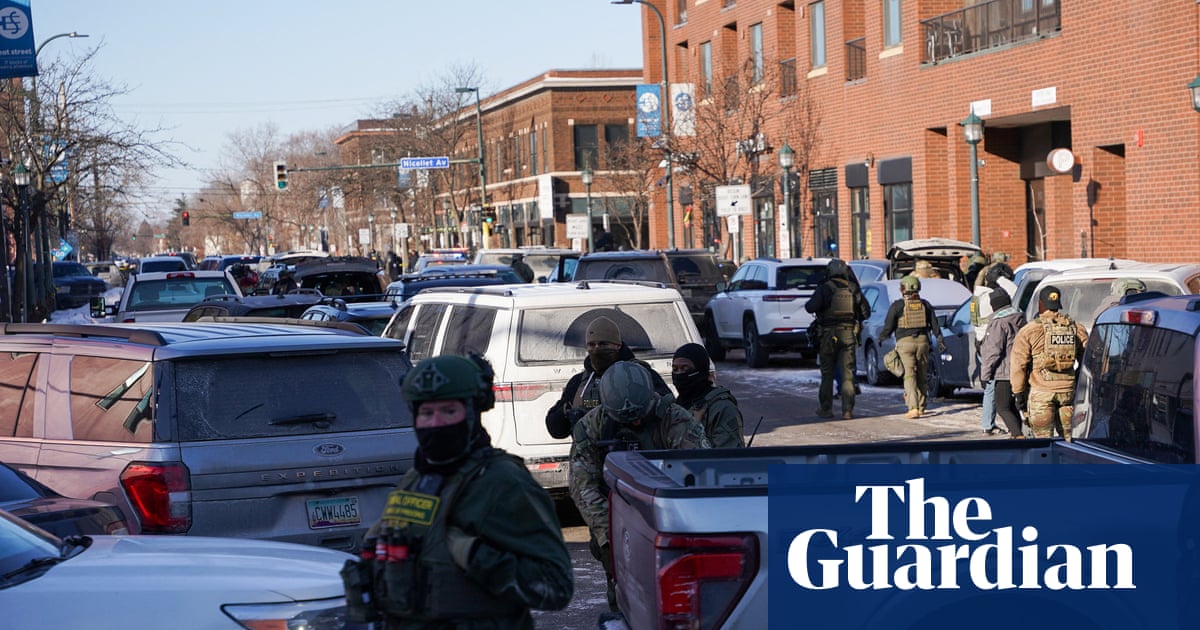
The killing of Alex Pretti in Minneapolis has rapidly escalated from a local tragedy into a national political crisis, with protests and demands for accountability focused on federal immigration enforcement practices. Officials in Minnesota have publicly criticized federal agencies, while activists and community groups have organized demonstrations and vigils to call for transparency and changes in enforcement tactics.
Videos and eyewitness accounts have become central to public debate. Supporters of Pretti’s family say footage challenges the federal narrative about what happened in the moments before the shooting. Federal authorities have made claims about perceived threats during the encounter, but critics argue the public record raises major questions about the justification for lethal force.
Political stakes: immigration enforcement and federal power
The case is intensifying broader political disputes over immigration enforcement and the balance between federal authority and local governance. Minnesota officials have called for fuller disclosure of evidence and for federal agencies to cooperate with state-level inquiries. The dispute reflects a wider national argument over how immigration operations are conducted in communities—and what oversight exists when encounters turn violent.
In Washington, the incident has fueled sharper rhetoric from lawmakers who want to constrain enforcement agencies through funding, oversight hearings, or statutory limits. Supporters of tougher enforcement counter that federal agents face unpredictable risk in the field, and they argue that critics are undermining law enforcement. The political battle now includes a fight over facts, access to evidence, and the credibility of official statements.
What to watch next
Key developments will likely include independent reviews of body-worn camera policies (if applicable), preservation and release of video evidence, and the pace of any state or federal investigations. Public trust in the process will hinge on transparency, timelines, and whether investigators are viewed as independent from the agencies involved. As demonstrations continue, the episode is poised to shape political narratives around immigration enforcement for weeks to come.
The story has also become a symbol for wider concerns about accountability when federal agents operate in cities under contentious enforcement campaigns. For local leaders, the question is whether they can compel cooperation. For federal officials, the question is how to defend operational decisions without inflaming distrust. Both sides now face sustained political pressure as the investigation moves forward.