Democrats threaten funding fight after Minneapolis shooting; anger mounts over ICE and DHS oversight
After the killing of Alex Pretti in Minneapolis, Democrats signaled they may try to block homeland security funding unless enforcement agencies face tighter constraints, intensifying a new political standoff.
- PUBLISHED
- UPDATED
A local tragedy becomes a national political confrontation
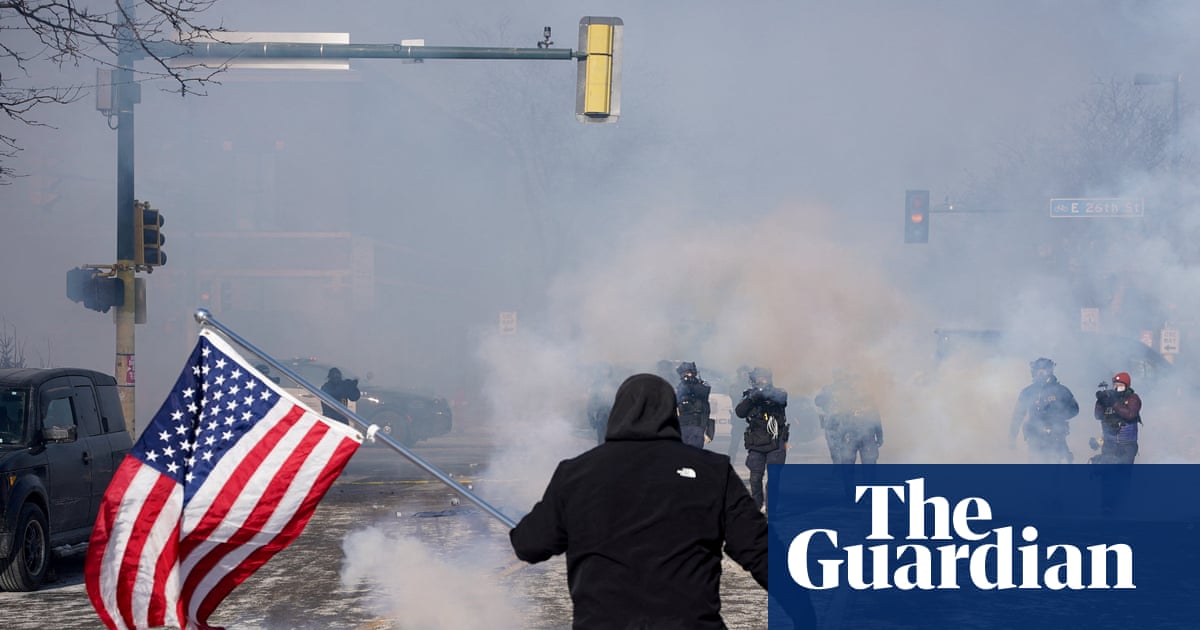
The fatal shooting of Alex Pretti, a 37-year-old nurse, by federal agents in Minneapolis is rapidly reshaping the political agenda in Washington, where Democrats are signaling they could use must-pass funding deadlines to force changes at the Department of Homeland Security and its enforcement agencies. The episode, described as the second deadly incident involving federal agents in less than three weeks, has become a rallying point for activists calling for major limits on federal immigration enforcement operations.
At the center of the political dispute is a clash between official claims and visual evidence. Coverage of the incident highlighted video that appears to show Pretti holding a phone at the moment he was tackled and shot—an image presented as contradicting assertions from senior officials that he posed a lethal threat. The dispute is now fueling both street protests and a broader argument over federal transparency and accountability after shootings.
Funding leverage becomes the pressure point
Democratic leaders have indicated they may block a funding package if it contains homeland security money without stronger reforms aimed at curbing what they describe as abuses. That approach would turn appropriations into a proxy battle over agency conduct, potentially forcing lawmakers to choose between keeping DHS fully funded and accepting new limits or oversight mechanisms.
Such a strategy raises the stakes because it ties a volatile, emotionally charged event to the machinery of government operations. It also makes the Minneapolis case a national test of how far Congress is willing to go to restrain executive-branch enforcement practices, especially under conditions where public protests and viral video shape the perception of legitimacy.
The political narratives harden
Critics argue that repeated fatalities suggest structural problems: unclear rules of engagement, insufficient independent review, and an operational posture that escalates quickly. Defenders of federal agencies counter that agents face unpredictable encounters and require flexibility to protect themselves and carry out missions. The same set of facts—especially disputed moments captured on video—are being used to justify sharply different political conclusions.
The coming week is likely to bring further statements from local leaders, more calls for investigations, and growing pressure on lawmakers as funding negotiations approach. If congressional leaders proceed with a confrontation over DHS appropriations, the Minneapolis shooting may become not only a story about accountability after a death, but also an early defining political fight of 2026.