Democrats threaten DHS funding fight after Minneapolis killing by federal agents
The Minneapolis shooting of an ICU nurse by federal agents has triggered demonstrations and sharpened a partisan clash, with Democrats signaling they may block or condition Department of Homeland Security funds absent enforcement changes.
- PUBLISHED
- UPDATED
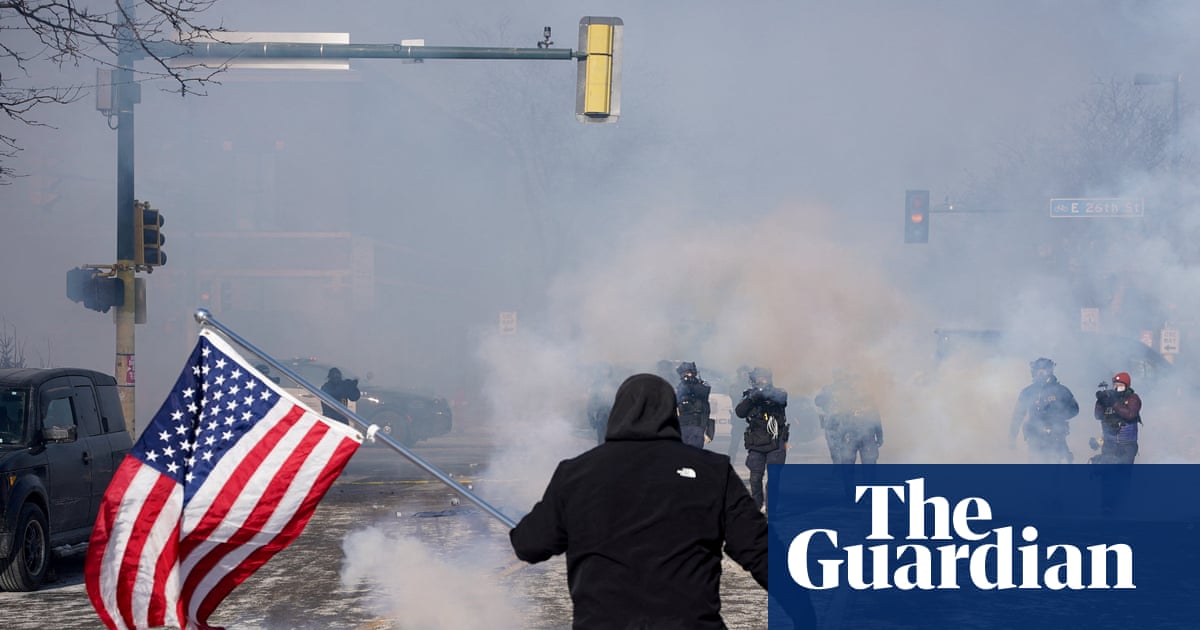
The fatal shooting of Alex Pretti in Minneapolis on January 24, 2026, is rapidly reshaping the political fight over immigration enforcement and federal policing. What began as a single incident has become a broader test of accountability, with protests expanding and lawmakers escalating rhetoric about oversight, transparency, and the use of force by federal agencies operating in cities.
Democrats seized on the shooting as evidence that federal immigration operations are increasingly aggressive and insufficiently supervised. In Congress, some Democratic leaders raised the prospect of using appropriations as leverage—blocking or conditioning Department of Homeland Security funding unless the administration accepts reforms tied to operational rules, investigation standards, and reporting requirements.
Republicans and Trump administration allies pushed back, arguing that agents face unpredictable danger and that critics are politicizing a volatile encounter. They framed protest demands as attempts to weaken enforcement and hamper agencies’ ability to respond quickly. The split reflects an older national divide—public safety versus civil liberties—but the Minneapolis case has sharpened it because the disputed facts are now central to the political argument.
The dispute has also become a communications battle. Administration supporters highlighted claims that Pretti was armed or posed an immediate threat, while critics pointed to video and witness accounts suggesting the threat was overstated. In practice, the story’s political power now hinges on which narrative gains credibility with the public: an agent under attack, or a civilian killed without adequate justification.
Another element inflaming tensions is the sense that this was not an isolated event. The shooting was widely reported as the second deadly incident involving federal agents in the area in a short period. For critics, the recurrence indicates systemic problems; for supporters of the agencies, it suggests a rising level of confrontation in enforcement operations that requires firmer authority, not constraints.
The immediate next steps are likely to unfold on two tracks. On the street, demonstrations and vigils are expected to continue as organizers demand accountability. In Washington, lawmakers are poised to turn the incident into a funding and oversight fight, forcing debates over what standards apply to federal agents, how investigations should be handled, and what consequences follow when force is used in contested circumstances.