Winter Storm Fern snarls U.S. travel as airlines cancel thousands of flights and delays pile up
A powerful winter system stretching from the South to the Northeast is causing widespread disruptions, grounding flights, delaying commuters, and forcing airports and airlines to scramble. Officials warned the ripple effects could last for days as ice and heavy snow complicate de-icing, staffing, and aircraft positioning.
- PUBLISHED
- UPDATED
A storm-driven travel meltdown spreads nationwide
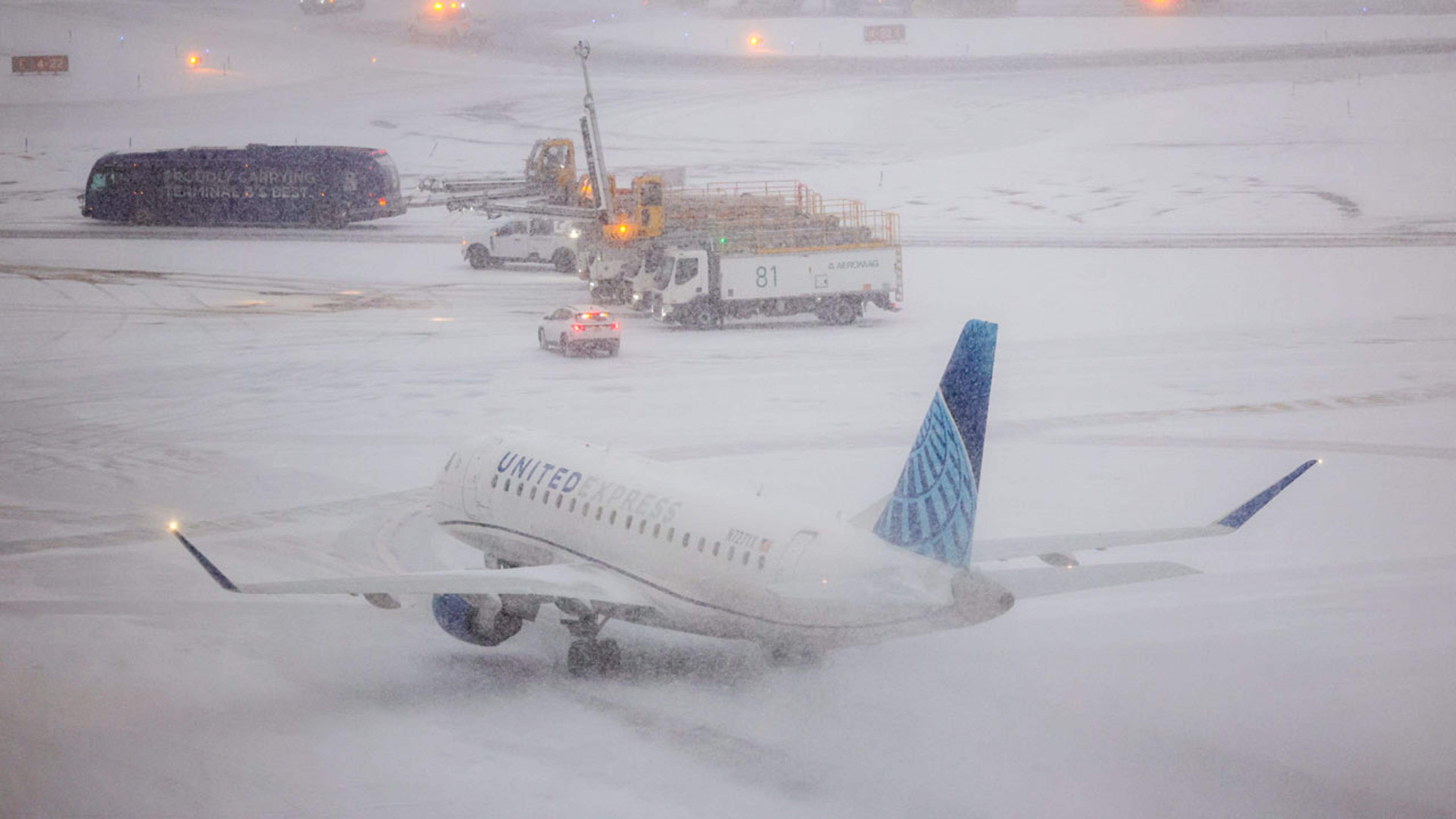
Winter Storm Fern continued to batter a wide swath of the United States on Monday, January 26, 2026, triggering another day of mass flight cancellations and delays as airlines struggled to keep aircraft and crews in position. Disruptions that began over the weekend spilled into Monday morning, with thousands of flights canceled and many more delayed amid freezing rain, heavy snow, and hazardous airport conditions.
Airlines pointed to the familiar winter cascade: de-icing queues, runway and taxiway congestion, and the knock-on effects of stranded planes that can’t reach their next assignments. Even airports outside the heaviest precipitation felt the consequences as inbound flights were scrapped, aircraft rotations broke down, and crew duty-time limits forced additional cancellations.
Millions in the storm’s path, airports under pressure
Forecasters described a sprawling storm setup affecting multiple regions, with snow focused across parts of the Northeast and interior corridors while freezing rain threatened sections of the Mid-Atlantic. The U.S. National Weather Service warned that conditions could shift quickly, complicating airline planning and local road travel needed to get passengers and workers to airports.
Aviation data showed that Sunday was one of the worst weather-related cancellation days since the pandemic era, and Monday’s schedule remained heavily disrupted as the storm moved east. Airlines advised travelers to check flight status frequently, monitor rebooking options, and be prepared for last-minute gate and departure changes.
Airlines and aviation analysts said the biggest challenge isn’t only the snowfall rate—it’s the multi-day operational reset required once large hubs fall behind.
What travelers can expect next
With weather still affecting key corridors, airlines warned that re-accommodation capacity could be tight, especially where flights were already full. Travelers were urged to consider flexible routing, alternate airports where feasible, and earlier or later departures to avoid peak congestion. Many carriers continued to issue travel waivers for impacted cities, though waiver terms varied by airline.
Transportation experts noted that once aircraft are out of place, airlines must rebuild schedules step-by-step, reposition planes and crews, and re-balance hubs—work that often extends beyond the day the worst weather passes. For passengers, that can mean long hold times, limited seats on remaining flights, and crowded terminals as disruptions ripple outward.