Winter storm disrupts U.S. travel as airlines cancel thousands of flights and delays mount
A sweeping winter storm pushed airlines into mass cancellations and delays across the United States on Monday, January 26, 2026, with FlightAware and Cirium data showing heavy disruption as snow and freezing rain moved through major population corridors. Forecasters said the system would keep hammering parts of the Northeast and Mid-Atlantic even as it shifted offshore, complicating recovery for airports and carriers already stretched by the weekend’s peak impacts.
- PUBLISHED
- UPDATED
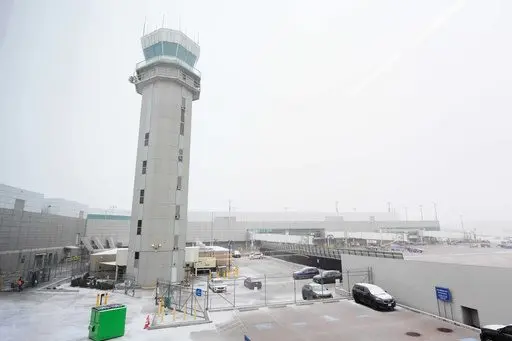
A nationwide travel crunch on January 26
A powerful winter storm sweeping across much of the United States continued to snarl air travel on Monday, January 26, 2026, forcing airlines to cancel thousands of flights and delay hundreds more. Aviation tracker FlightAware showed widespread disruption, while Cirium data indicated a significant share of scheduled departures were being scrubbed as conditions deteriorated in multiple regions.
Reuters reported that about 3,900 flights were canceled and more than 1,500 were delayed early Monday, following a weekend of historic disruption. Sunday’s cancellations exceeded 11,000 flights, which industry analysts described as the highest single-day total since the pandemic era. Cirium also estimated that nearly 14% of scheduled flights were canceled as of the morning, underscoring the scale of the operational hit.
Weather drivers and what forecasters expected next
The U.S. National Weather Service said low pressure south of New England was expected to track east into the Atlantic, but not before delivering heavy snow to parts of the Northeast and freezing rain across sections of the Mid-Atlantic. Additional snow was forecast along the Appalachians, with rain spreading along the Southeast coast as a cold front moved offshore.
That mix of heavy snow, freezing rain, and shifting precipitation bands is particularly disruptive for airport operations because it can require repeated runway treatments, gate holds, and extended aircraft de-icing. Even after the worst weather clears, airlines can struggle to recover because aircraft and crews are out of position, and downstream airports become overwhelmed by rebookings and congested schedules.
How travelers were affected and what comes after
For passengers, the storm’s impact was not limited to one metro area. Cancellations and delays rippled through large hub-and-spoke systems, meaning disruptions in the Mid-Atlantic and Northeast could cascade into the South and Midwest. Airlines typically prioritize restoring hub operations first, but recovery often takes longer than the weather event itself because carriers must reset aircraft rotations and crew duty limits.
As airlines worked to stabilize operations, travelers were urged to monitor carrier alerts, check airport status pages, and confirm rebooked itineraries before heading to terminals. With weather-related disruptions spanning multiple days, customers also faced scarcity of replacement seats, longer customer-service lines, and limited hotel availability near major airports.