Winter storm batters U.S., leaving deaths, outages and widespread travel disruption
A powerful winter storm sweeping from the South to New England has been blamed for multiple deaths, knocked out power for hundreds of thousands, and forced major shutdowns across cities and transit networks.
- PUBLISHED
- UPDATED
What’s happening
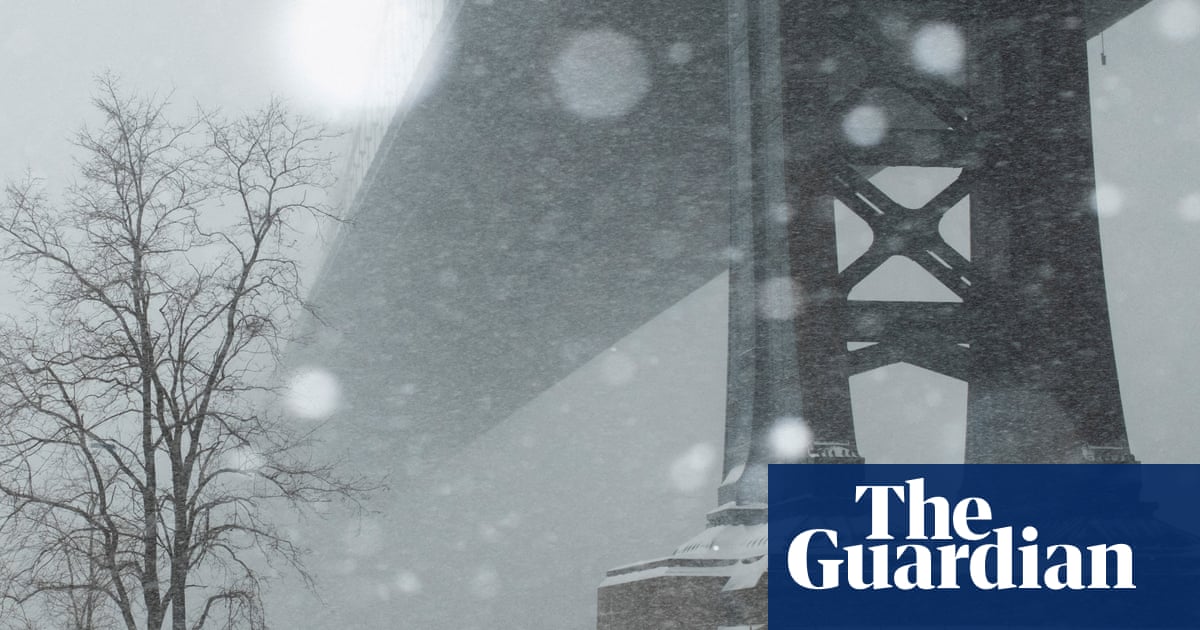
A major winter system continued to grip large parts of the United States on Monday, January 26, 2026, bringing heavy snow, ice, and extreme cold that pushed officials to close schools and public institutions and warn against non-essential travel. The storm’s impact has stretched across multiple regions, with persistent sub-freezing temperatures and dangerous wind chills expected to linger in many areas.
Authorities across several states reported storm-linked deaths from a mix of causes, including exposure to cold, crashes, and winter accidents. Power outages remained widespread, with hundreds of thousands of customers reported without electricity nationwide as crews worked to restore service during hazardous conditions.
Power, closures, and travel disruptions
Major cities responded with a patchwork of closures and remote operations. Some public schools moved classes online, while libraries, museums, and other institutions shut down to reduce travel and keep people indoors. Officials repeatedly emphasized that icy roads and low visibility could quickly turn routine trips into emergencies.
Air travel was heavily disrupted, with large numbers of flight cancellations reported across Sunday and Monday. The combination of airport de-icing constraints, snow, and cascading crew and equipment positioning problems created knock-on delays across networks, leaving travelers stranded and prompting airlines and airports to urge passengers to check status before heading out.
Safety messages and what to watch next
Forecasters warned that, even as some snowfall tapers in certain areas, the biggest near-term threat may be the prolonged cold: wind chills, black ice, and exposure risk for people without reliable heat. Local governments expanded warming center access in some regions and reiterated guidance to limit time outdoors, check on vulnerable neighbors, and avoid unsafe heating practices.
Emergency managers also cautioned that the storm’s effects could persist after skies clear, as refreezing can keep roads hazardous and as restoration work continues for power and downed lines. Residents in affected areas were urged to stay alert for updated warnings and local advisories through Monday night and into the week.