Massive U.S. winter storm cripples travel and power grids as thousands of flights are scrapped
A sprawling winter storm sweeping from the South into the Northeast is driving widespread flight cancellations, power outages, and deadly cold. Airlines and airports reported thousands of canceled departures as ice and snow snarled roads and forced authorities to issue repeated warnings about travel and exposure risks.
- PUBLISHED
- UPDATED
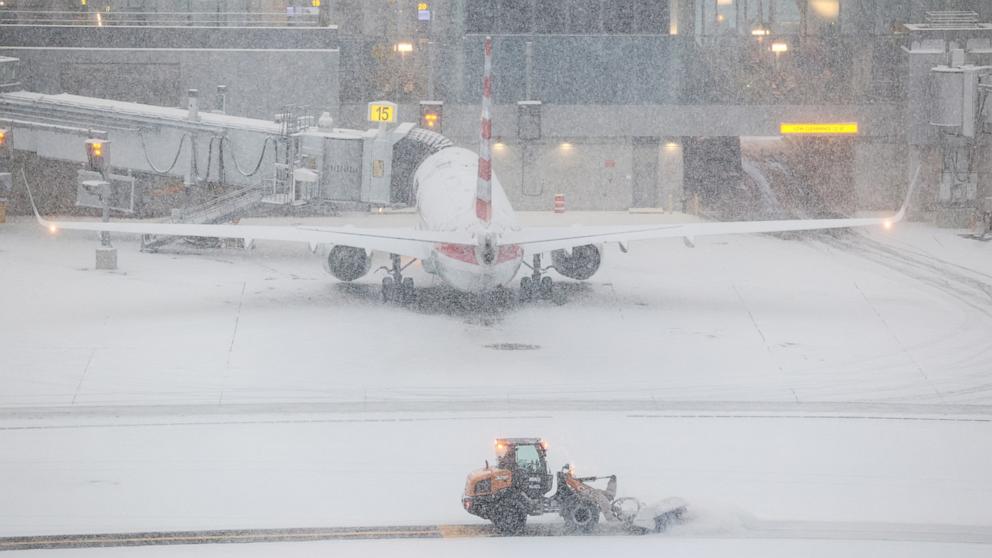
A powerful winter storm continued to disrupt daily life across the United States on Monday, January 26, 2026, as freezing rain, heavy snow, and plunging temperatures battered large swaths of the country. Transportation systems remained under strain after a weekend of historic flight cancellations and dangerous road conditions, while utilities worked to restore service to customers hit by ice-laden lines and intense demand.
Airlines canceled thousands of flights again Monday, with data trackers showing widespread disruption at major hubs as crews and aircraft were repositioned after the worst of the weekend chaos. Carriers warned passengers to expect lingering delays while the storm track shifted eastward and conditions remained volatile, especially where ice accumulation complicated de-icing and runway operations.
Forecasters said the system combined multiple hazards: snow in parts of the Northeast and Appalachians, freezing rain and sleet in portions of the Mid-Atlantic and South, and severe cold pushing wind chills to dangerous levels in the Upper Midwest. State and local officials urged residents to limit travel, check on vulnerable neighbors, and prepare for intermittent outages as crews faced difficult, slow-moving restoration work.
Emergency agencies reported weather-related deaths tied to exposure, accidents, and medical events during physically demanding tasks such as shoveling. Hospitals and shelters in hard-hit areas braced for continued demand, and authorities reminded the public to avoid using generators or grills indoors due to carbon monoxide risks.
The storm also stressed supply chains and local services: deliveries were delayed, schools and government offices altered schedules, and some communities reported shortages of basic winter supplies. With road crews struggling to keep up where ice glazed highways, officials emphasized that even short trips could become dangerous if vehicles slid off roads or became stranded in subfreezing temperatures.
Meteorologists said the system’s reach—stretching across multiple regions—was a key driver of the nationwide ripple effects, including airport gridlock far from the heaviest precipitation. As the storm gradually moved offshore, aviation and weather officials said operations should improve midweek, but warned that residual delays could persist as airlines worked through backlogs and repositioned aircraft and crews.
For travelers, consumer advocates recommended confirming rebooked itineraries, monitoring airline waivers, and keeping receipts for potential reimbursement under carrier policies. For residents in affected states, the most immediate advice remained simple: avoid unnecessary trips, bundle up, and treat downed power lines and icy surfaces as life-threatening hazards.