Major winter storm snarls travel and leaves the Northeast digging out
A massive winter storm brought snow, sleet and freezing rain across a wide swath of the U.S., with New York City recording just over 10 inches and transport disruptions lingering into Monday as crews work to clear roads and restore normal service.
- PUBLISHED
- UPDATED
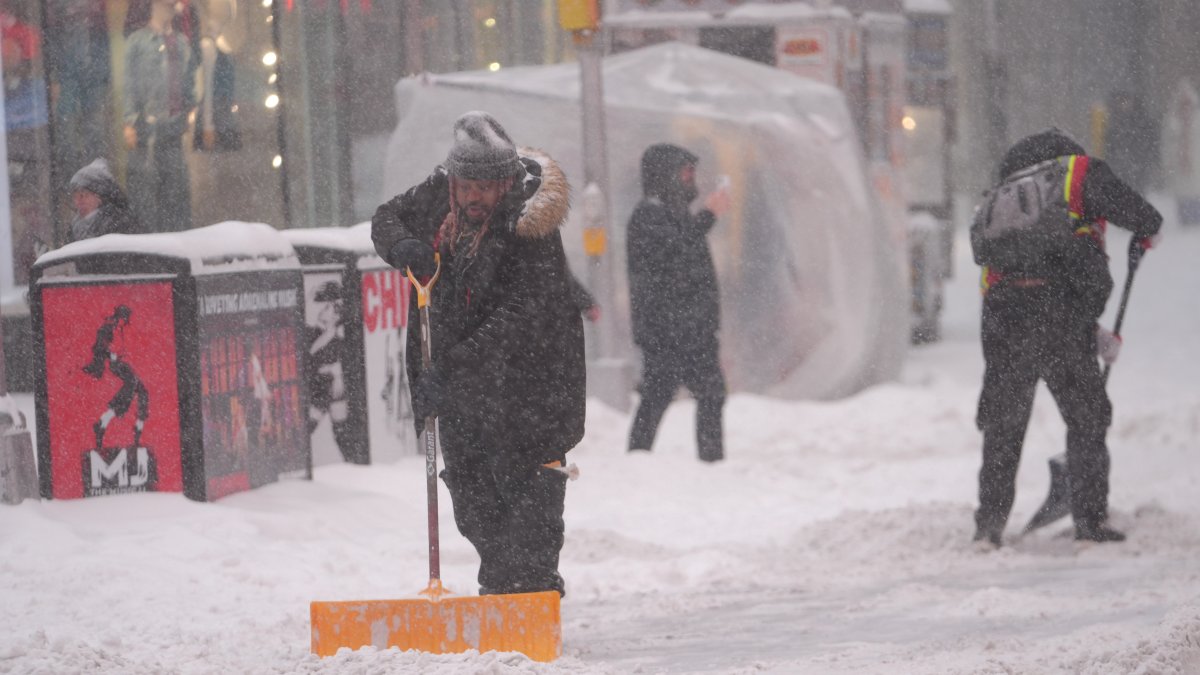
A sprawling winter storm that swept across much of the United States over the weekend is still disrupting daily life on Monday, as communities from the Mid-Atlantic to the Northeast focus on cleanup while dangerously cold air settles in behind the system. Forecasters warned that the combination of ice, snow, and plunging temperatures could keep travel hazardous and strain infrastructure for days.
In the New York City region, snowfall totals climbed into double digits in some areas. The city itself reported just over 10 inches, while higher amounts were measured in the Hudson Valley, Connecticut, and the northernmost parts of New Jersey. Farther south, warmer air intruded earlier, flipping snow to sleet and freezing rain and leaving behind a glaze that made sidewalks and untreated roads especially slick overnight.
Transportation systems were hit hard. With conditions changing quickly and road crews stretched, officials urged drivers to avoid unnecessary trips, particularly during the overnight and early-morning period when refreezing can turn slush into ice. The cleanup effort is now shifting from plowing to hauling away accumulated snow and addressing intersections and curb lanes where piles reduce visibility and narrow travel lanes.
Cold became a parallel threat as the storm’s back side pulled Arctic air into the region. New York state officials highlighted record-breaking readings near the Canadian border, where some communities registered extreme subzero temperatures. Emergency managers emphasized that exposure risks rise rapidly in these conditions, especially for people without reliable heat or those who attempt outdoor work like shoveling for extended stretches.
Even where the snow was photogenic, the storm’s impact was tangible. Neighborhoods turned quiet as many people stayed home, while residents took advantage of temporarily closed streets to sled, build snowmen, and enjoy a rare pause. At the same time, hospitals, utility crews, and city services prepared for the secondary effects: falls on ice, vehicle crashes, burst pipes, and power interruptions.
Meteorologists said precipitation could continue into Monday in some areas before tapering off, but warned that the bigger challenge may be what comes next: a prolonged period of very low temperatures that can prolong icy conditions and slow recovery. Public officials urged residents to check on neighbors, limit time outdoors, dress in layers, and use space heaters safely to avoid fires and carbon monoxide hazards.