Winter Storm Fern spreads across the U.S., triggering widespread travel and power disruptions
A sprawling winter storm known as Fern is driving mass flight cancellations, power outages and emergency declarations across dozens of states. Forecasters warn the mix of snow, ice and Arctic cold could keep hazardous conditions in place for days, disrupting travel, commerce and daily life.
- PUBLISHED
- UPDATED
A fast-moving system with outsized disruption
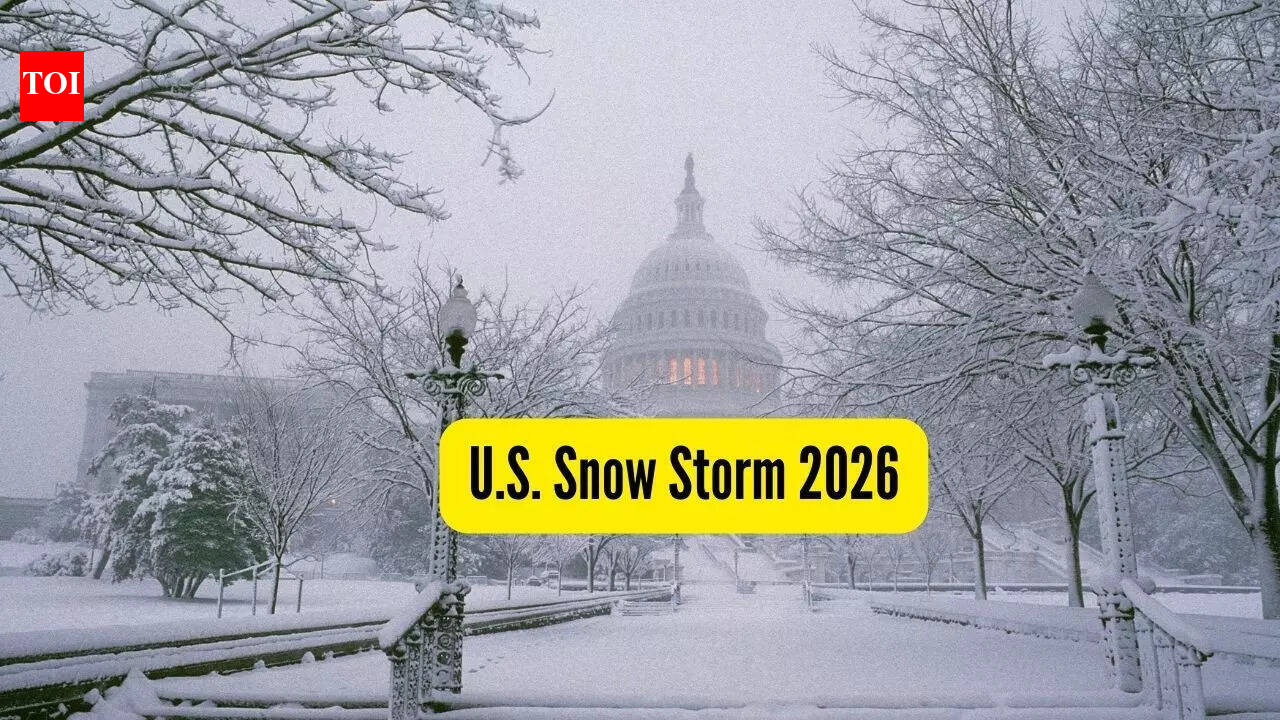
Winter Storm Fern continued to intensify Sunday, pushing a wide band of heavy snow and damaging ice across large portions of the United States. Officials in multiple states urged residents to limit travel, prepare for extended power interruptions, and check on vulnerable neighbors as temperatures plunged and precipitation hardened into dangerous road conditions.
Air travel absorbed some of the most visible impacts. Airlines canceled large numbers of flights over the weekend as airports and crews struggled with the storm’s footprint and knock-on delays. The cancellations rippled through hubs far from the storm’s center as aircraft and crews ended up out of position, making it harder to recover quickly once conditions improved.
Power utilities also faced a growing workload. Ice accretion and wind gusts can snap tree limbs and bring down lines, and the combination of freezing rain and sleet can be particularly punishing for overhead infrastructure. Emergency management agencies warned that restoration efforts may be slowed by hazardous driving conditions and continued precipitation.
Where the hazards are most acute
Forecasts highlighted a multi-hazard setup: heavy snow in some corridors, icing in others, and severe cold trailing behind. Ice tends to create the biggest immediate safety risk on roads, while heavy snow can strand motorists, block secondary routes, and complicate access for emergency services. The cold that follows can elevate risks for people without reliable heat, including those experiencing homelessness and residents in older housing.
Officials also cautioned that what begins as a mobility problem can quickly become a health and safety crisis. Vehicles can become traps in whiteout conditions, and prolonged outages can force families to rely on risky heating alternatives. Authorities emphasized the importance of keeping phones charged, having flashlights and batteries ready, and avoiding the use of generators or grills indoors.
What to do next
- Delay nonessential travel until local alerts and road agencies indicate conditions have improved.
- If you lose power, prioritize warmth and carbon-monoxide safety; use generators only outdoors and away from windows.
- Stock up on essentials (water, shelf-stable food, medications) in case roads become impassable.
- Check on neighbors who are older, medically fragile, or isolated, especially if temperatures drop further overnight.
With Fern’s impacts expected to linger across multiple regions, emergency managers advised residents to follow local updates and prepare for a prolonged cleanup period. Even after precipitation ends, refreezing can keep roads slick and extend the risk of additional outages as crews work to repair stressed infrastructure.