Winter storm barrels across the U.S., triggering emergencies and widespread travel disruption
A major winter storm pushed heavy snow, sleet and freezing rain across wide swaths of the United States, prompting emergency declarations, power-outage preparations and mass flight cancellations as forecasters warned that dangerous cold could linger well after the precipitation ends.
- PUBLISHED
- UPDATED
A sprawling storm footprint and mounting disruptions
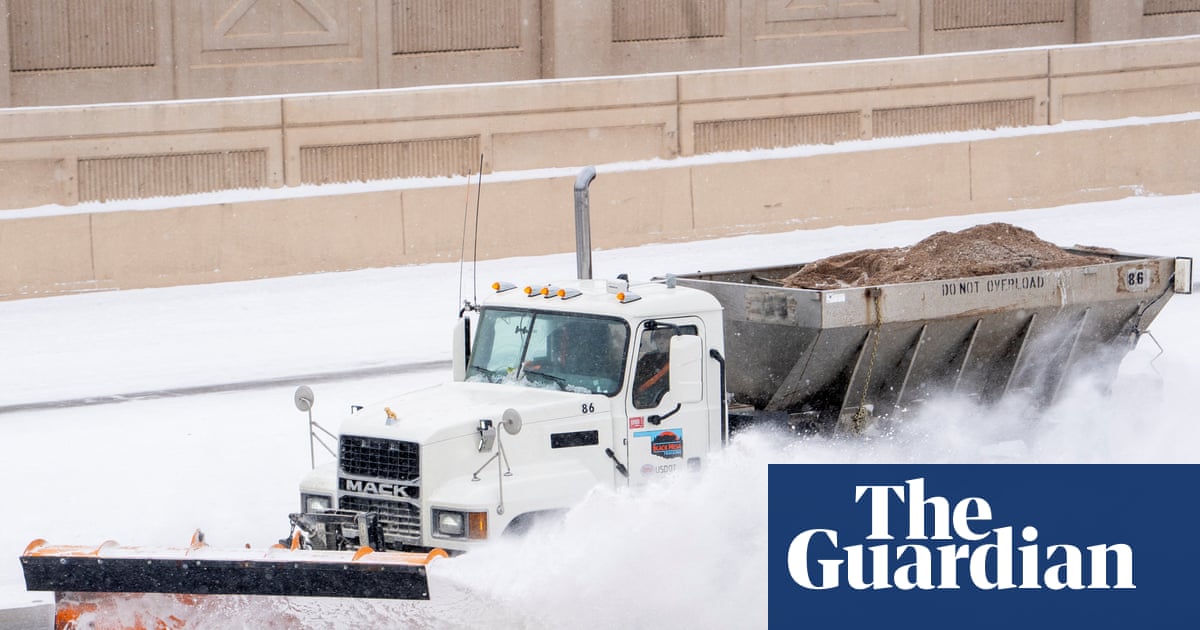
A powerful winter storm began sweeping across much of the United States over the weekend of January 24–25, 2026, putting a huge share of the population under winter weather warnings and creating hazardous travel conditions. Forecasters warned that the combination of snow, sleet, and freezing rain would be followed by bitter cold, slowing cleanup and keeping roads and infrastructure dangerous even after the storm’s heaviest precipitation moves on.
The storm’s impacts stretched across multiple regions, including parts of the Plains, South and Midwest, with ice and sleet affecting areas that do not routinely experience prolonged freezing precipitation. Officials urged residents to avoid unnecessary travel and prepare for potential outages as utilities staged crews in advance.
Power outages, dangerous cold, and cancellations
Power outages were reported as the system intensified, and transportation networks began to buckle. Thousands of flights were canceled across the United States as airlines adjusted schedules and aircraft de-icing operations expanded. Winter storm and ice storm warnings were posted across long corridors of the country, reflecting the storm’s unusual breadth and the likelihood of long-duration icing in some areas.
Local and state officials in a growing number of jurisdictions issued emergency declarations and public safety messages. The risk was not limited to motorists: exposure concerns rose as temperatures dropped, and authorities in multiple areas emphasized warming centers and basic cold-weather safety for people without reliable heat.
What happens next
Meteorologists cautioned that recovery could be complicated by the cold air mass trailing behind the storm. Ice and snow are expected to melt slowly, increasing the risk of prolonged hazardous conditions, tree damage and additional utility problems in areas where heavy icing accumulates. Travelers were encouraged to monitor local advisories and expect rolling delays as airports, highways and rail services attempt to normalize operations.
In the days ahead, the storm’s secondary impacts—school closures, shifted event schedules, and localized supply interruptions—may become more visible as communities assess damage and prioritize restoration. Emergency management agencies reiterated messaging to stock basics, charge devices, and avoid travel during the worst conditions.