Saudi Arabia postpones 2029 Asian Winter Games planned for NEOM’s Trojena
Saudi Arabia and the Olympic Council of Asia agreed to delay the 2029 Asian Winter Games that were set for Trojena, a planned ski resort inside the NEOM mega-project. The move adds to questions about timelines and costs as the kingdom pursues a packed calendar of global events.
- PUBLISHED
- UPDATED
A marquee winter event put on hold
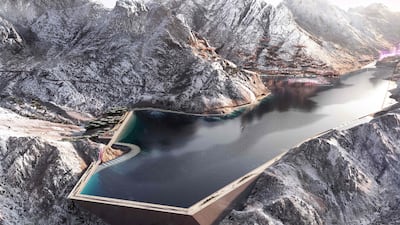
Saudi Arabia and the Olympic Council of Asia have agreed to postpone the 2029 Asian Winter Games that were scheduled to be staged at Trojena, a planned year-round mountain resort that is part of NEOM, the kingdom’s high-profile mega-city initiative. The parties said the decision followed consultations and reflects an intent to support the “long-term and sustainable development” of winter sports across Saudi Arabia and the wider West Asia region.
Organizers did not give a specific operational reason for the postponement, but the announcement lands amid a broader reappraisal of timelines, budgets, and the practical challenges of delivering snow-based sports in an arid environment. The Winter Games award had drawn scrutiny from critics who questioned the environmental and logistical footprint of building and maintaining winter venues in a desert country.
How it fits into Saudi Arabia’s crowded mega-event pipeline
The Winter Games were designed to be one of the headline showcases tied to Crown Prince Mohammed bin Salman’s Vision 2030 program, which aims to diversify the economy, expand tourism, and position the kingdom as a premier destination for major sporting and cultural events. NEOM, often described as a roughly $500 billion development concept, is central to that vision and includes Trojena as the mountain and adventure component.
Saudi Arabia is simultaneously committed to other large-scale international undertakings that require extensive infrastructure investment, including hosting the 2030 World Expo in Riyadh and the 2034 FIFA World Cup. Those parallel commitments create overlapping demands for capital, labor, and construction capacity, particularly as planners prioritize projects that must be delivered on fixed schedules.
What comes next
Instead of hosting the full multi-sport Winter Games in 2029, Saudi Arabia said it will stage standalone winter sports events in the coming years. For the Olympic Council of Asia, the delay also raises practical questions about the event’s next feasible window and about how to structure qualification and venue standards if the games are re-scheduled.
For Saudi decision-makers, the postponement is a reminder that prestige events are only as credible as the delivery plan behind them. Even if the broader Vision 2030 agenda remains intact, postponing a flagship winter project signals a willingness to slow or reshuffle timelines when the cost, engineering, or sustainability case does not align with near-term realities.
Whether Trojena and the broader NEOM ambitions return to the center of the international sports calendar will depend on revised schedules, funding certainty, and the ability to demonstrate that winter competition can be staged reliably and responsibly in the region.