Protests widen after Minneapolis Border Patrol shooting as Democrats warn of funding showdown
A fatal Minneapolis shooting by U.S. Border Patrol agents has triggered fresh protests and a fast-moving political fight in Washington, with Democrats signaling they may try to block funding tied to homeland security agencies while the White House defends enforcement tactics.
- PUBLISHED
- UPDATED
What happened
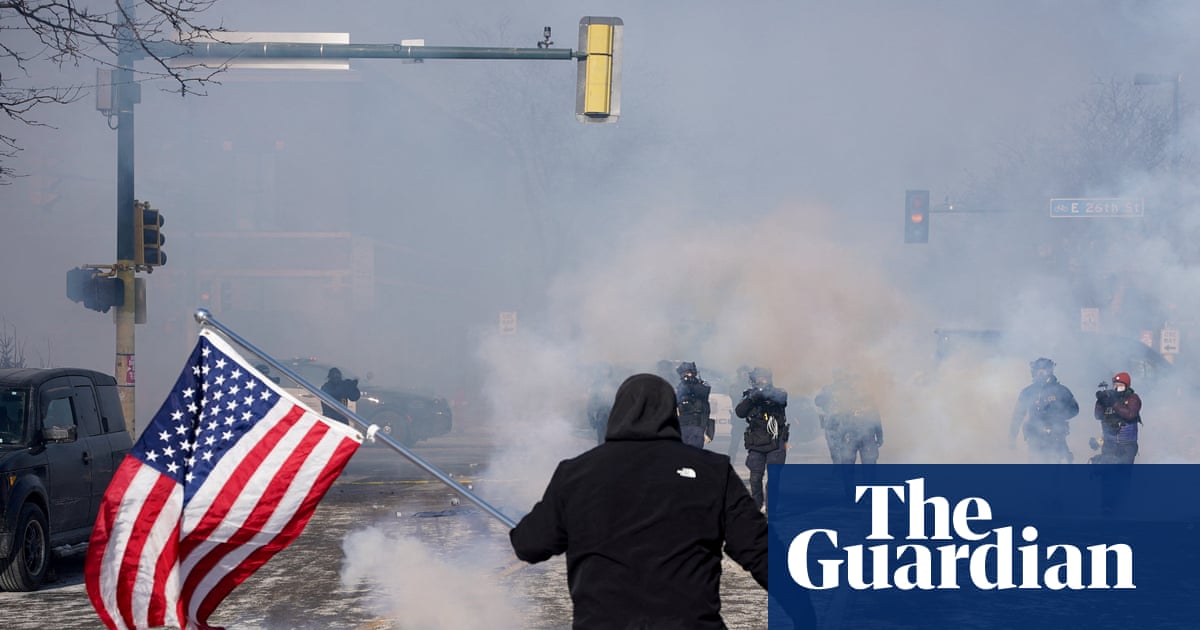
Demonstrations expanded across multiple U.S. cities this weekend after a U.S. citizen, Alex Pretti, was shot and killed in Minneapolis by federal agents. The incident quickly became a national flashpoint because early official claims about what happened were challenged by video and eyewitness accounts, fueling anger over immigration enforcement tactics and the scope of federal operations in major cities.
The shooting was described as the second deadly incident involving federal agents in a short period, intensifying scrutiny of immigration enforcement and raising new questions about rules of engagement, accountability, and the speed with which public narratives form before evidence is reviewed. Protesters have called for tighter limits on enforcement operations and for more transparency in how agents justify use of force.
Washington reaction
In Washington, the political fallout escalated as Senate Democrats discussed using the federal funding process to force changes at the Department of Homeland Security, the parent agency overseeing immigration enforcement. The push comes amid a broader dispute over whether aggressive enforcement is improving public safety or inflaming tensions and civil-liberties concerns.
The administration, meanwhile, defended its enforcement posture and argued that federal agencies must maintain latitude to act quickly in volatile situations. Critics countered that the incident underscores why independent review, clearer standards, and faster public disclosure of evidence are necessary—especially when video footage appears to contradict initial government statements.
Why this matters next
The episode is becoming a test of whether Congress will attempt to use appropriations to reshape immigration enforcement operations, and whether public pressure will translate into new oversight requirements. Local officials in affected cities are also likely to face renewed demands to clarify how municipal police coordinate—or refuse to coordinate—with federal agents during enforcement actions.
For now, protests are expected to continue, and the controversy is likely to deepen as more witness statements, body-camera records (if any), and investigative findings become public. The coming week may determine whether the political response remains symbolic or evolves into a concrete funding and oversight confrontation.