Protests spread after Minneapolis nurse Alex Pretti fatally shot by federal agents, video contradicts official claims
Fresh demonstrations erupted across U.S. cities after Alex Pretti, a 37-year-old Minneapolis nurse, was shot and killed during a confrontation involving federal agents. Video reviewed by witnesses appears to show Pretti holding a phone, not a gun, intensifying calls for limits on ICE operations and prompting Democrats to threaten a funding blockade tied to homeland security spending.
- PUBLISHED
- UPDATED
What happened in Minneapolis
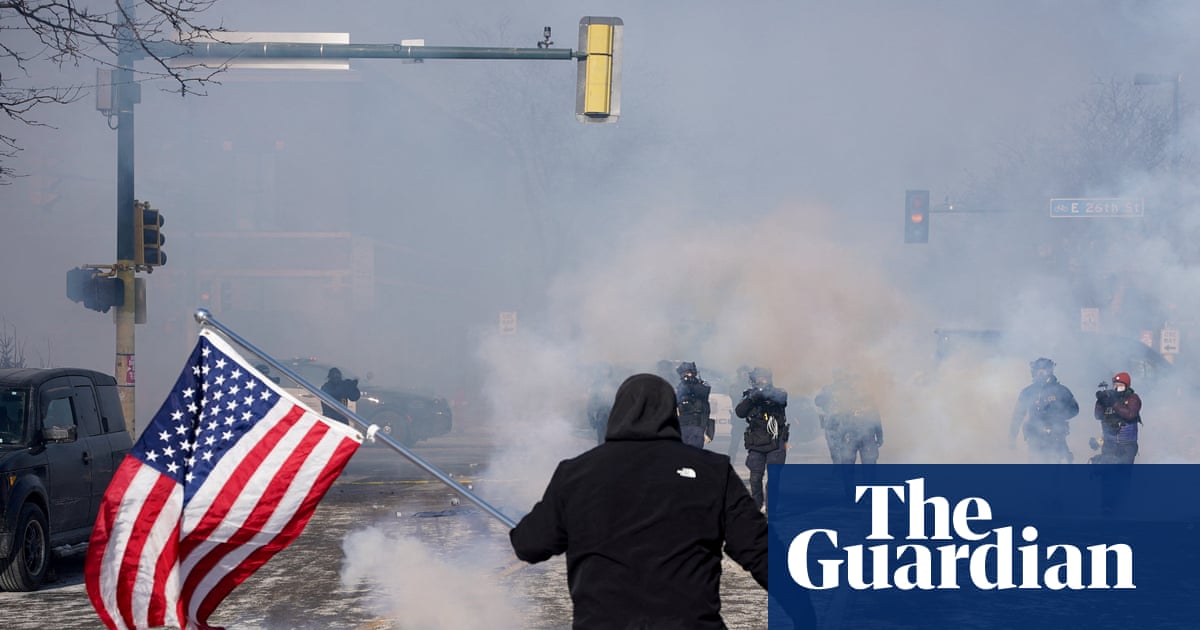
A Minneapolis confrontation involving federal agents ended with the fatal shooting of Alex Pretti, a 37-year-old registered nurse, in what was described as the second such killing by federal officers in less than three weeks. Accounts described Pretti approaching as an apparent bystander during an altercation in which an individual was being forced to the ground. Pretti was sprayed with a chemical agent, wrestled down, and then shot. The incident quickly became a national flashpoint because widely circulated video appeared to show him holding a phone, not a firearm, at the moment he was tackled and shot—contradicting senior officials’ claims that he posed a deadly threat.
Authorities also noted that Pretti was legally licensed to possess a gun, but reporting emphasized that it was unclear whether he had one on him at the scene, and the videos cited did not show a gun in his hand. That discrepancy—between official statements and what the footage appears to show—has fueled demands for an independent accounting of the incident and for tighter rules governing federal enforcement activity in city streets.
Nationwide protests and political fallout
Demonstrations spread beyond Minnesota, with rallies and speeches calling for changes to immigration enforcement, including demands to dismantle or sharply curtail Immigration and Customs Enforcement (ICE). Elected officials in Minneapolis condemned the killing and questioned how many more people would need to be harmed before the operation ends. Protest activity and the rhetoric surrounding it underscored the degree to which enforcement operations have become a central domestic political issue early in 2026.
In Washington, the episode triggered an escalation on Capitol Hill. Senate Democrats signaled they may block upcoming funding if it includes money for the Department of Homeland Security, which oversees ICE, unless there are reforms aimed at curbing abuses. The threat raises the stakes for budget negotiations and creates a direct link between federal spending talks and the conduct of enforcement operations on the ground.
Why it matters
The killing has become a test of accountability for federal law enforcement and a pressure point in the broader debate over immigration enforcement tactics. For city leaders, it also renews questions about the impact of federal actions on local public safety and civic stability. For Congress, it adds a volatile new dimension to funding negotiations, with leaders weighing whether and how spending tools can be used to force changes in enforcement practices.