Anger grows after second fatal federal-agent shooting as anti-ICE protests spread
A second deadly shooting involving federal officers in just weeks has triggered protests and political backlash, with demonstrators demanding accountability and lawmakers warning of funding fights over immigration enforcement.
- PUBLISHED
- UPDATED
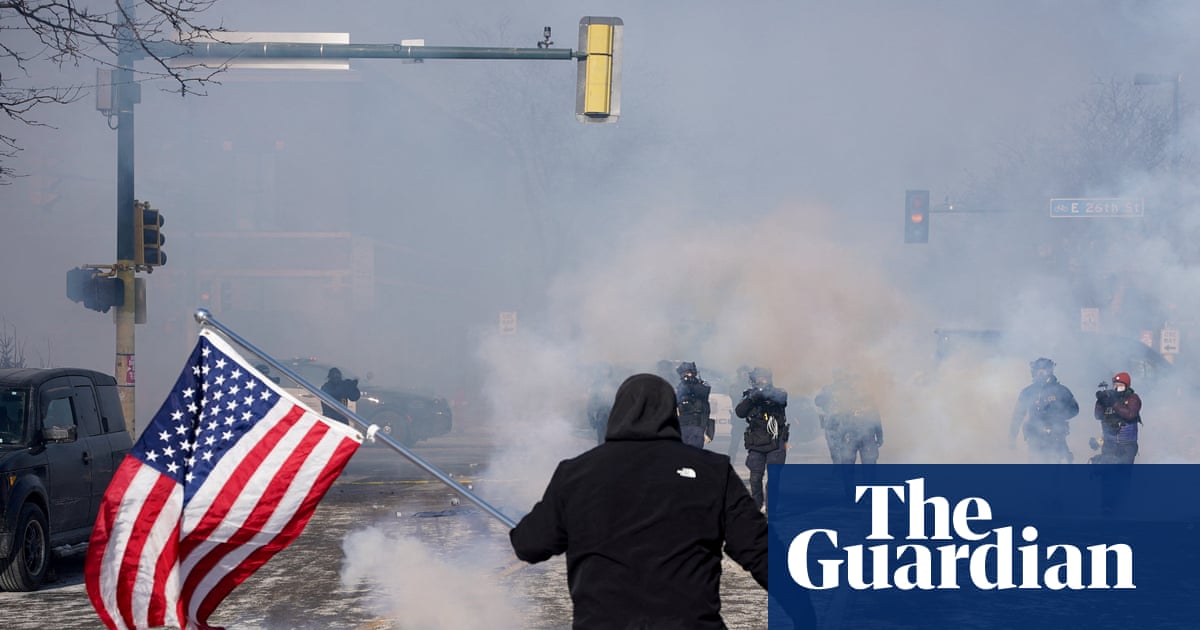
Public anger surged this weekend after another fatal shooting involving U.S. federal officers, with demonstrations spreading beyond Minneapolis and intensifying calls for greater oversight of immigration enforcement. The death has become a flashpoint in a broader debate over federal tactics and the role of Immigration and Customs Enforcement, and it has fueled new demands from activists and some local officials for investigations and structural changes.
The incident drew immediate scrutiny because initial official claims about the perceived threat were challenged by early accounts circulating online. Protesters and civil-rights advocates argued that the case fits a pattern of aggressive enforcement that can escalate quickly in public spaces and leave communities feeling targeted. Organizers urged sustained, largely peaceful actions, while city leaders faced pressure to respond to residents demanding answers.
National political pressure also increased. Critics framed the shooting as evidence that enforcement priorities and rules of engagement need revision, while supporters of tougher immigration enforcement argued that officers face volatile situations and should not be pre-judged before investigations conclude. The result is a fast-moving political dispute as agencies defend their actions and opponents promise to use budget leverage to force policy changes.
With protests continuing, attention is now shifting to what accountability mechanisms will be used, how quickly evidence will be released, and whether federal leadership will adjust tactics or staffing. Community groups say the key test will be whether investigations are transparent and independent enough to rebuild trust, or whether the episode further entrenches confrontation between federal authorities and local constituencies.
- Demonstrations expanded as anger mounted over the latest fatal encounter.
- Disputed accounts of what happened increased pressure for transparency.
- Lawmakers signaled potential budget and oversight fights tied to enforcement policy.
- Local officials and community leaders called for accountability and calmer streets.