Saudi Arabia delays 2029 Asian Winter Games at NEOM’s Trojena as winter-sports plans reset
Saudi Arabia’s postponed 2029 Asian Winter Games highlight the pressures of staging snow-based events in a desert climate and the financial and logistical load of multiple mega-projects. The plan now shifts toward standalone competitions while the main Games await rescheduling.
- PUBLISHED
- UPDATED
A winter-sports bet meets reality checks
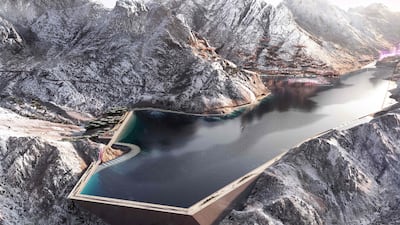
Saudi Arabia’s agreement with the Olympic Council of Asia to postpone the 2029 Asian Winter Games is more than a scheduling tweak—it’s a signal that one of the most ambitious sports hosting concepts of the decade is being slowed. The Games were set for Trojena, a planned ski resort within NEOM, the kingdom’s flagship development project.
While organizers said the decision followed extensive consultations and was made in the name of sustainable development for winter sports in the region, the postponement underlines the difficulty of building a winter-sports ecosystem quickly—especially when venues depend on extensive construction, specialized infrastructure, and weather-sensitive operations.
Mega-events collide with mega-construction
Saudi Arabia is simultaneously committed to hosting other global events that carry fixed deadlines and enormous capital requirements, including the 2030 World Expo in Riyadh and the 2034 FIFA World Cup. When governments and developers juggle multiple mega-projects at once, tradeoffs emerge around labor availability, procurement capacity, and which projects get priority in a given budget cycle.
For winter sports, the timeline matters: athletes, federations, and broadcasters need clarity years in advance. A postponement without a replacement date pushes uncertainty onto qualification planning, venue certification, and sponsorship structures. It also raises practical questions about whether a future date can preserve the original promise of staging a full winter games in the planned location.
What the new plan looks like
Rather than host the full Asian Winter Games in 2029, Saudi officials said the kingdom will hold standalone winter sports events in the coming years. That approach can keep momentum and testing opportunities alive while reducing the immediate burden of delivering a multi-sport spectacle on a single deadline.
The postponement also reopens debate about sustainability, a major theme in international sports hosting. Critics have long argued that building snow-dependent venues in an arid environment can require heavy resource use, while supporters say modern engineering and investment can make it viable and create new tourism categories.
For now, the reset suggests Saudi Arabia still wants a place in winter sport—but is acknowledging, at least implicitly, that the original 2029 timetable for Trojena’s biggest test is no longer the plan.