Pediatricians reaffirm broader child vaccine guidance as CDC schedule narrows, KFF briefing reports
A KFF Health News morning briefing highlights that the American Academy of Pediatrics released vaccine recommendations that differ from a revised CDC childhood schedule. The roundup also flags rising parental refusal of vitamin K shots for newborns, according to medical reporting cited in the briefing.
- PUBLISHED
- UPDATED
A widening gap in vaccine guidance
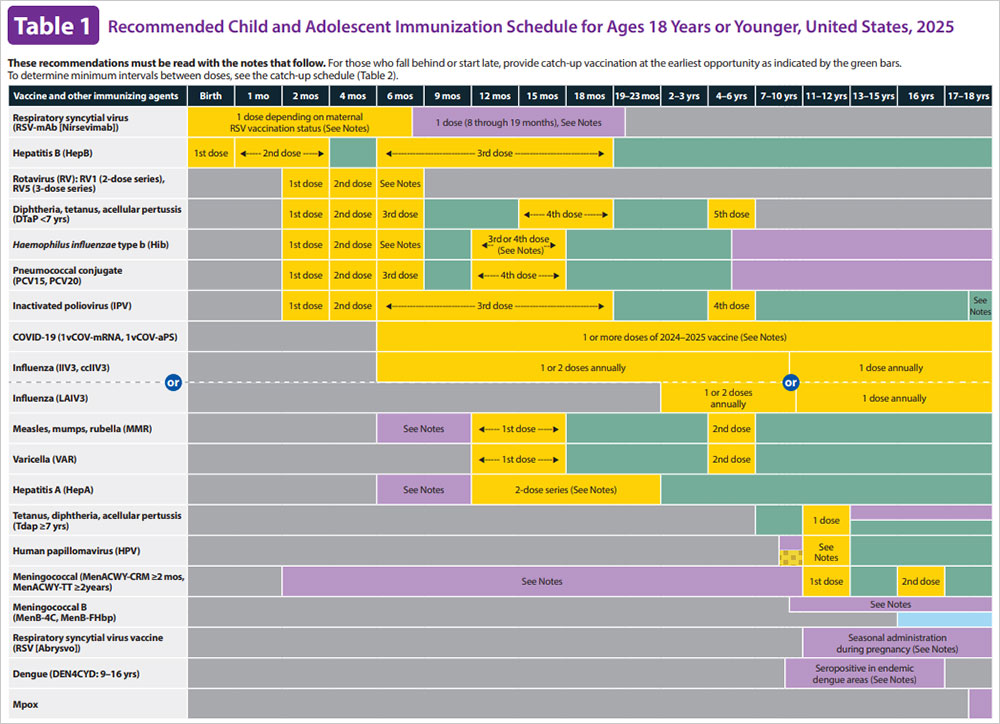
A KFF Health News morning briefing dated Monday, January 26, 2026, reports that the American Academy of Pediatrics (AAP) released recommendations supporting vaccines for 18 diseases—guidance the doctors’ group says is largely unchanged from last year. The briefing notes this differs from the current CDC childhood schedule, which the roundup says now recommends vaccination against 11 diseases. ([kffhealthnews.org](https://kffhealthnews.org/morning-briefing/monday-january-26-2026/))
In practical terms, the split creates confusion for parents, clinicians, and school systems trying to interpret what is “standard” amid shifting federal and professional guidance. The KFF briefing frames the AAP’s move as a direct signal that pediatricians intend to maintain a more expansive preventive approach despite the federal schedule changes. ([kffhealthnews.org](https://kffhealthnews.org/morning-briefing/monday-january-26-2026/))
Vitamin K refusals also in focus
The same briefing highlights reporting that more parents are refusing vitamin K shots for newborns, a long-standing recommendation meant to prevent dangerous bleeding early in life. The briefing cites medical reporting that points to increasing refusal rates and reiterates the clinical concern about preventable harm when the injection is declined. ([kffhealthnews.org](https://kffhealthnews.org/morning-briefing/monday-january-26-2026/))
Why the guidance split matters now
Public-health messaging relies on consistency, especially during periods of elevated misinformation and declining trust. When families encounter conflicting schedules from respected institutions, some delay decisions, seek non-evidence-based alternatives, or opt out entirely—raising the risk of outbreaks of vaccine-preventable diseases and preventable newborn complications. The AAP’s reaffirmation may reduce ambiguity for pediatric practices, but it also highlights the degree of institutional disagreement. ([kffhealthnews.org](https://kffhealthnews.org/morning-briefing/monday-january-26-2026/))
- Ask your pediatrician which schedule they follow and why
- Confirm school or childcare vaccine requirements in your state
- Discuss newborn preventive care (including vitamin K) before delivery when possible
- Use primary medical sources when comparing recommendations