Deadly winter storm brings hypothermia risk warnings as extreme cold and ice persist across the U.S.
As a major winter storm spreads snow, ice, and subzero wind chills across wide areas of the country, officials are warning about hypothermia, carbon monoxide poisoning, and injury risks during cleanup. Reports of weather-related deaths highlight how quickly exposure and unsafe heating can turn fatal.
- PUBLISHED
- UPDATED
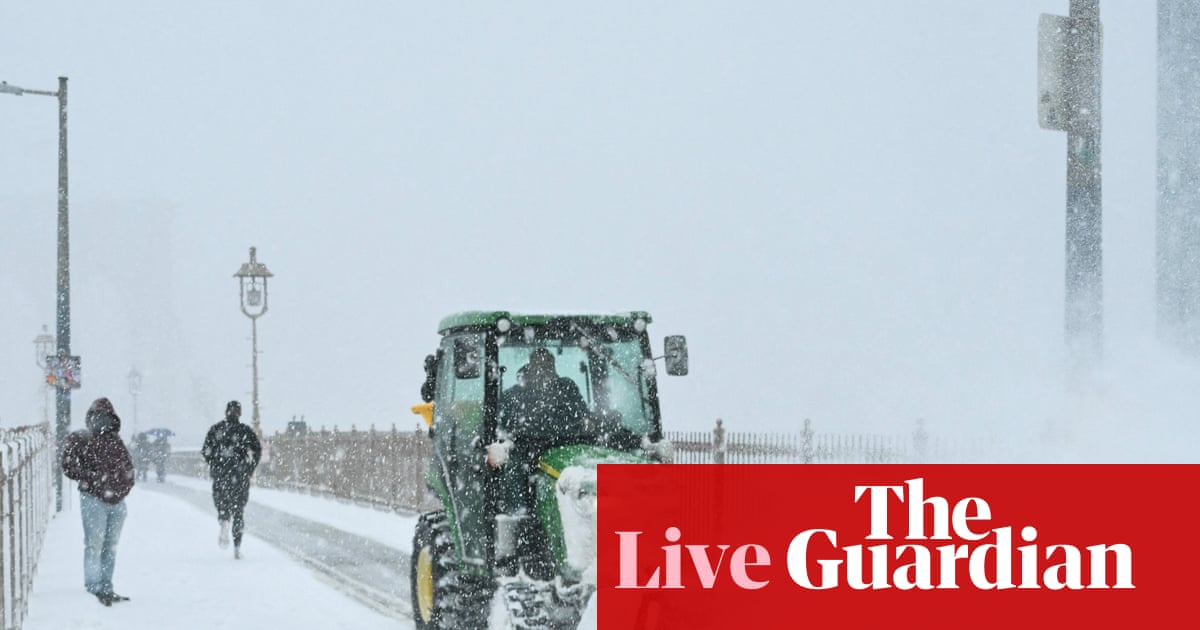
Health risks rose sharply across the United States as a sprawling winter storm pushed ice, snow, and extreme cold into multiple regions, with officials warning residents that the most dangerous impacts are often indirect: exposure, unsafe heating, and overexertion during cleanup. By Monday, January 26, 2026, reports tied the storm to multiple deaths, including incidents linked to hypothermia, accidents, and medical emergencies during strenuous tasks.
Public safety agencies urged people to treat prolonged cold as a medical threat, not just an inconvenience. Hypothermia can develop even above-freezing temperatures when clothing is wet or wind is high, and frostbite can occur quickly during severe wind chills. People without reliable heat, those experiencing homelessness, and older adults were identified as especially vulnerable.
Officials also repeated warnings about carbon monoxide poisoning as power outages and cold temperatures drive more households to use generators, grills, and alternative heat sources. Emergency responders regularly see spikes in poisoning cases during winter storms when devices are used indoors or too close to windows and vents.
Cleanup itself can be hazardous. Doctors and emergency managers cautioned that shoveling heavy, wet snow can trigger cardiac events, especially for people with underlying conditions. Falls on ice and injuries from snowblowers and other equipment are also common after storms, adding pressure to urgent care clinics and emergency departments.
The storm’s broad footprint also affected access to care. Icy roads and travel disruption made it harder for some residents to reach pharmacies, dialysis appointments, and routine medical visits, while staffing challenges emerged as healthcare workers faced commuting hazards. In some communities, shelters and warming centers expanded capacity as temperatures remained dangerously low.
Health officials encouraged practical steps: stay indoors when possible, dress in layers, keep skin covered, and check on neighbors—particularly anyone who may be isolated or without adequate heat. Households were advised to keep an emergency kit stocked with blankets, flashlights, water, and any essential medications.
As conditions begin to ease later in the week, authorities warned about secondary hazards from thaw-and-refreeze cycles, including black ice and falling chunks of ice from roofs and gutters. The message remained consistent: the storm’s health toll often continues after the snow stops, and caution is required through the full recovery period.