Guinea-Bissau suspends hepatitis B vaccine study pending ethical review, AP reports
Guinea-Bissau paused a U.S.-backed newborn hepatitis B vaccine study while authorities conduct an ethical review, after concerns were raised about oversight and trial design.
- PUBLISHED
- UPDATED
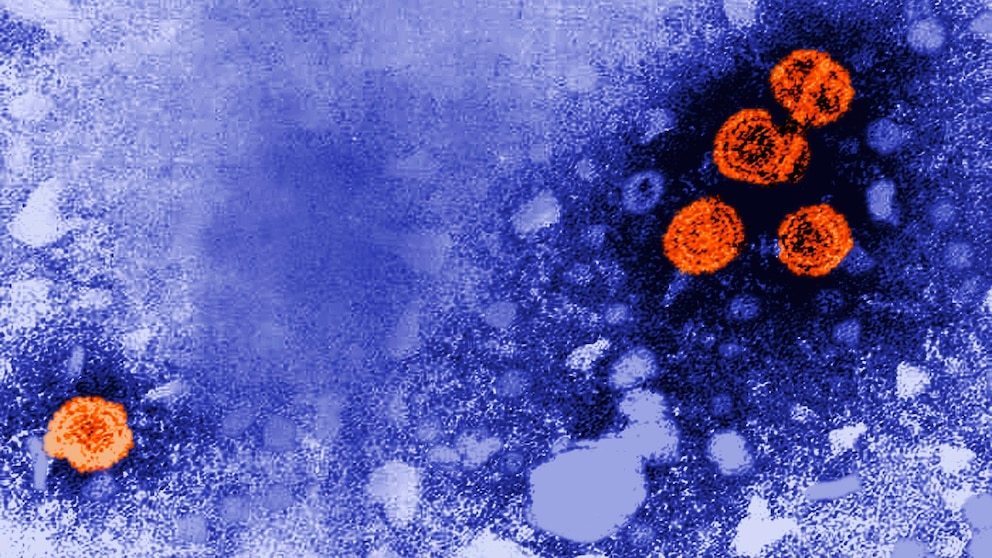
Guinea-Bissau has suspended a U.S.-backed study involving hepatitis B vaccination in newborns, pending an ethical review, according to the Associated Press. The pause follows concerns about whether the study received appropriate review and how its randomized design would affect infants assigned to delayed vaccination in a setting where hepatitis B prevention is a high-stakes public health issue.
The AP report described objections centered on oversight and trial structure: critics questioned whether withholding or delaying a proven protective intervention from a comparison group can be justified, especially for vulnerable newborns. Supporters of the review argued that international research must meet rigorous ethical standards and that host countries should have clear authority over how studies are approved and conducted.
Disagreements also spilled into the politics of global health partnerships, with competing claims about whether the project was truly paused and what approvals remained outstanding. The episode highlighted persistent tensions over how research is governed when funding and institutional power come from abroad but the risks and benefits are borne locally.
Public health experts often note that ethical review is not a bureaucratic afterthought: it is the mechanism that ensures informed consent processes are meaningful, safety monitoring is robust, and study questions are aligned with local priorities. As the review proceeds, observers will watch for clarity on whether the study can be redesigned to protect participants while still generating evidence that improves vaccination delivery and outcomes.
- Guinea-Bissau paused the study while an ethical review is conducted.
- Concerns included oversight gaps and delayed vaccination in part of the trial.
- The dispute reflects broader tensions in international research governance.
- Next steps depend on review findings and potential redesign of protocols.