CDC warns hypothermia can strike even above 40°F as winter storms raise cold exposure risk
As severe winter weather spreads, CDC guidance emphasizes that hypothermia is a medical emergency and can occur in damp conditions even when temperatures are not extremely low. The agency outlines warning signs and steps families can take to prevent dangerous cold exposure at home and outdoors.
- PUBLISHED
- UPDATED
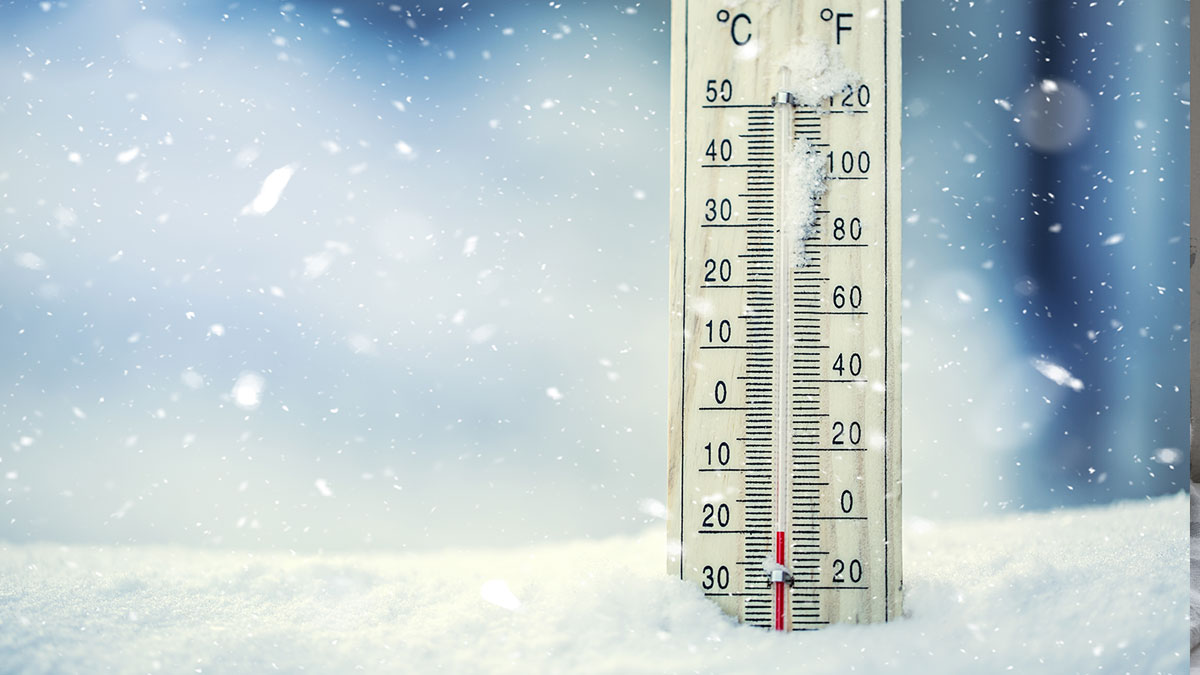
Cold exposure is not only an outdoor problem
With winter storms pushing more Americans into prolonged cold, ice and power-outage scenarios, federal health guidance is again focusing attention on hypothermia. The CDC notes that hypothermia can occur not only in frigid, below-freezing conditions but also in cool temperatures—especially when rain, sweat or immersion chills the body and reduces its ability to maintain core warmth.
This matters during major storms because people may be exposed in multiple ways: stranded in vehicles, clearing snow for long periods, living in underheated homes, or relying on limited shelter when power fails. The risks increase for older adults, infants, people who remain outdoors for long stretches, and individuals who drink alcohol or use drugs—factors that can impair judgment and heat regulation.
Know the warning signs
The CDC lists classic warning signs in adults that include shivering, exhaustion, confusion, fumbling hands, memory loss, slurred speech and drowsiness. In babies, a key indicator can be bright red, cold skin paired with very low energy. Because hypothermia can cloud thinking, a person may not realize what is happening until they are already in danger.
What to do immediately
Hypothermia is a medical emergency. The CDC advises checking temperature when possible, and seeking medical help if it is below 95°F. If help is delayed, move the person to a warm shelter, remove wet clothing, and warm the center of the body (chest, neck, head and groin). Warm drinks can help if the person is conscious, but alcohol should be avoided. In severe cases where a person is unconscious, emergency services should be contacted and CPR may be necessary while warming efforts continue.
Storm-proofing your personal plan
- Dress in layers and change out of wet clothing quickly.
- Limit time outdoors; take warm breaks if you must shovel or work outside.
- Keep indoor temperatures safe; if you lose power, seek warming centers when available.
- Avoid risky heat sources; prevent carbon monoxide exposure by running generators only outside.
In a week when severe winter conditions are affecting travel and electricity reliability across multiple states, hypothermia prevention becomes a practical household priority. Knowing the symptoms and responding early can be the difference between a manageable situation and a life-threatening emergency.
Reporting record
- 01CDCCDC