Trump files $5 billion lawsuit against JPMorgan Chase, alleging political ‘debanking’ after leaving office
President Donald Trump sued JPMorgan Chase and CEO Jamie Dimon for $5 billion, claiming the bank closed accounts tied to him and his businesses for political reasons in 2021. JPMorgan says the case lacks merit, as the dispute reignites a broader fight over whether banks are unfairly cutting off customers based on ‘reputational risk.’
- PUBLISHED
- UPDATED
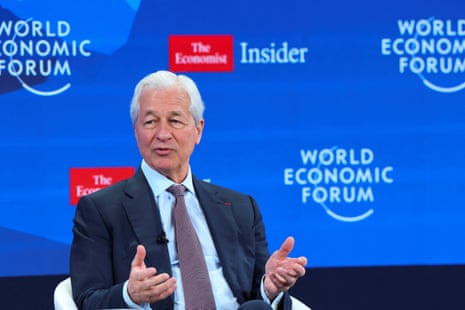
A high-stakes lawsuit targeting the nation’s biggest bank
President Donald Trump has filed a $5 billion lawsuit against JPMorgan Chase and its chief executive, Jamie Dimon, accusing the bank of terminating accounts linked to Trump and his businesses for political reasons after he left office in January 2021. The complaint, filed in Florida state court, argues that the bank’s actions disrupted operations, constrained access to money and forced rapid changes in banking relationships.
Trump’s filing frames the dispute as a major example of “debanking,” a term used by conservatives to describe financial institutions refusing service due to political considerations. The lawsuit alleges that accounts were closed with limited notice and without a clear explanation, and that the decision effectively placed Trump on a reputational blacklist that complicated his ability to work with other banks.
JPMorgan rejects the allegations
JPMorgan said it believes the case has no merit and has maintained that its account decisions follow legal and regulatory standards rather than political motivations. Banks routinely point to compliance and risk-management obligations—such as anti-money-laundering rules and due diligence requirements—when they end customer relationships, though they often do not disclose detailed reasons publicly.
The lawsuit adds to the administration’s broader rhetoric about financial services, including repeated criticism of “reputational risk” policies that can lead to account closures. In recent years, banks have faced pressure from multiple directions: lawmakers demanding tighter controls for security and fraud prevention, and other politicians warning institutions not to discriminate against customers based on ideology.
Why this case matters for consumers and companies
Although the dispute is centered on a president and a banking giant, it carries implications for smaller businesses and individuals. As financial institutions expand automated monitoring and tighten controls, more customers report losing accounts without extensive explanations. Banks argue they must manage risk; critics argue that opaque decisions can become effectively punitive when a customer cannot easily find replacement services.
What to watch next
- Court filings will clarify the timeline of account closures and what notices were provided.
- The case could intensify political scrutiny of bank compliance policies and “reputational risk” frameworks.
- Other large institutions may face pressure to explain how they decide which customers they will serve.
The lawsuit is likely to become a major test case in a growing political and legal argument over how private banks balance regulatory compliance, risk management and claims of viewpoint discrimination.