Wall Street slides after Trump links new tariffs on European imports to Greenland dispute
U.S. stocks fell sharply after President Donald Trump said he would impose a new import tax on goods from eight European countries, escalating trade uncertainty tied to his Greenland push. The selloff hit major indexes and sent investors toward traditional safe havens.
- PUBLISHED
- UPDATED
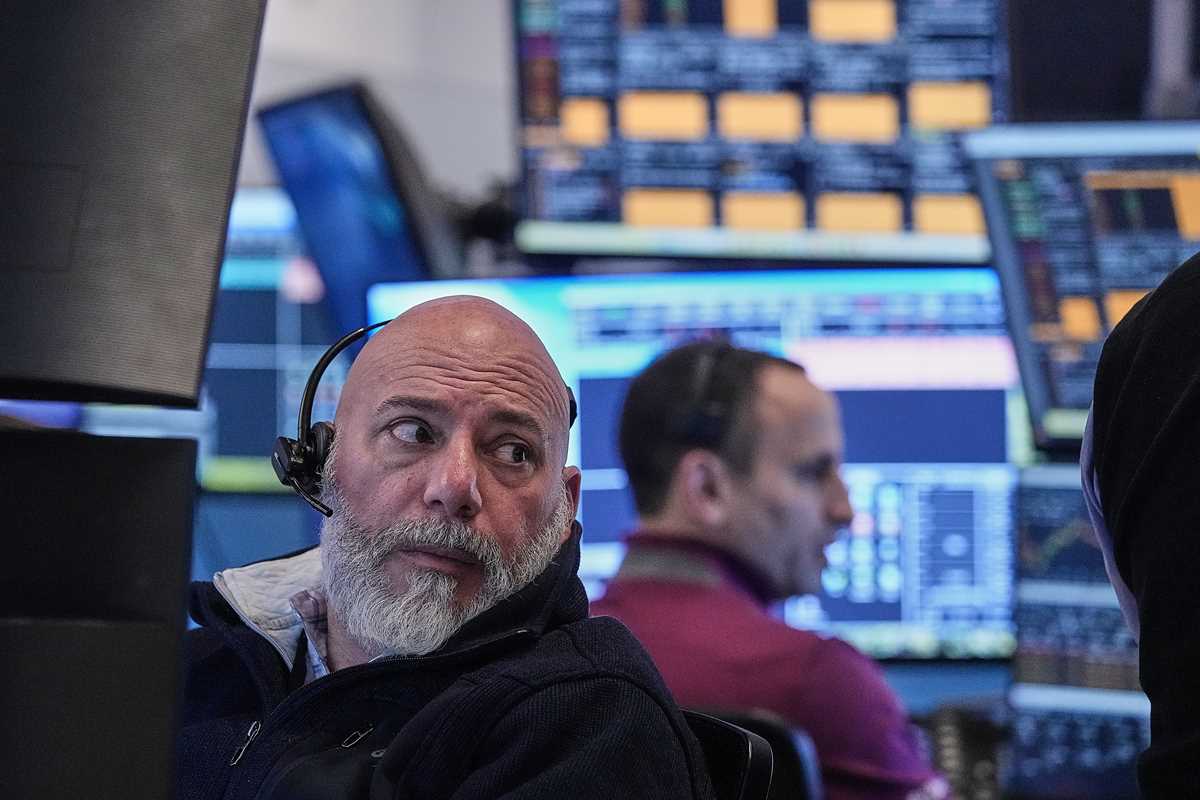
Markets react to a new tariff shock
U.S. stocks dropped as investors digested President Donald Trump’s threat to impose new tariffs on imports from eight European countries, a move he tied to escalating tensions over Greenland. The Associated Press reported that the selloff was broad, pulling down nearly every sector as markets registered a fresh jolt of policy uncertainty early in the year.
In the session described by AP, the S&P 500 suffered its steepest decline in months, while the Dow Jones Industrial Average and the Nasdaq also fell sharply. Technology shares were among the biggest drags, and the losses spread through financial, retail, and industrial names as traders reassessed growth and profit expectations under a renewed tariff threat.
What Trump said — and why it matters for trade
Trump said he would apply a 10% import tax starting in February on goods from Denmark, Norway, Sweden, France, Germany, the United Kingdom, the Netherlands, and Finland, according to AP. The announcement quickly raised the prospect of retaliation by European governments and added another layer of friction to transatlantic trade at a moment when global leaders were also gathering for the World Economic Forum in Davos.
While tariffs are often framed as bargaining leverage, investors typically focus on second-order effects: higher input costs, disrupted supply chains, reduced cross-border demand, and a weaker earnings outlook for multinational firms. Even companies not directly importing goods can be affected when sentiment shifts and capital becomes more risk-averse.
Safe-haven signals and the Fed backdrop
AP noted that gold and silver prices jumped as the geopolitical and trade headlines pushed some investors toward perceived safe havens. Crypto prices moved in the opposite direction, with bitcoin retreating after a recent run-up, illustrating that the market’s “risk-on” appetite can fade quickly when policy surprises hit.
The tariff threat also complicates the Federal Reserve’s job: officials are typically wary of inflationary impulses from import taxes while also monitoring whether tighter financial conditions could slow activity. With key economic reports and corporate earnings arriving in the same period, investors were left trying to separate what is noise from what could become a durable change in the outlook.
For households, the near-term concern is whether tariffs translate into higher consumer prices. For businesses, the practical question is whether the threat becomes policy, and if so, how quickly procurement, pricing, and logistics must adjust.