U.S. job growth slows in December as investors recalibrate expectations for near-term rate cuts
New federal data showed weaker-than-expected hiring in December, reinforcing the view that an immediate interest-rate cut is unlikely even as the labor market shows signs of cooling.
- PUBLISHED
- UPDATED
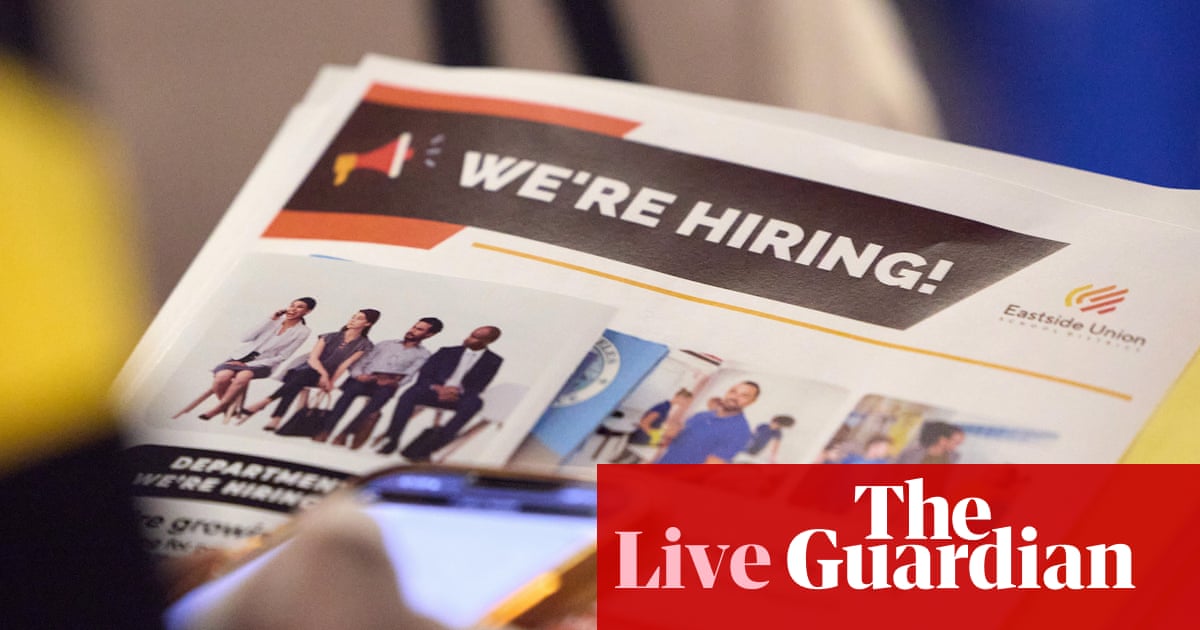
Hiring comes in soft
New U.S. labor-market data for December showed a smaller increase in payrolls than many forecasters expected, signaling a slowdown in hiring after earlier months of modest growth. The report highlighted uneven performance across sectors: some areas continued to add workers while others, including parts of retail, faced losses.
The numbers arrived as markets and households watch for evidence that the economy is cooling without tipping into recession. With inflation still a central concern for policymakers, signs of a softer labor market can be interpreted in two competing ways: a healthier balance between labor supply and demand, or early warning of a sharper downturn.
A slower jobs report can be read as progress on inflation—or as a sign the economy is losing momentum. The difference depends on what comes next.
Rate-cut expectations and the Fed’s dilemma
Even with slower job creation, analysts cautioned that a near-term interest-rate cut remains unlikely. Policymakers have repeatedly signaled that they want clear evidence inflation is returning to target before easing. A deceleration in hiring can help that case, but it is rarely decisive on its own, especially if wage growth remains elevated or inflation measures stay sticky.
For businesses, the uncertainty matters. Companies making investment or hiring decisions must plan around borrowing costs, demand swings, and consumer confidence—all of which can shift quickly as economic releases accumulate. A single data point rarely settles the debate, so markets will focus on upcoming inflation prints, consumer spending, and revisions to prior jobs data.
How households feel it
For many workers, the practical question is whether job openings remain plentiful and whether wage gains hold up. A broad slowdown can translate into longer job searches and fewer hours, while sector-specific weakness can hit certain communities harder. Meanwhile, for consumers carrying debt, interest rates still shape the cost of car loans, credit cards, and mortgages.
As 2026 begins, the story is not simply whether hiring slowed in December, but whether that slowdown persists—forcing a shift in corporate behavior, consumer spending, and ultimately the policy path set by the Federal Reserve.