Saudi Arabia indefinitely postpones 2029 Asian Winter Games planned for NEOM ski resort
Saudi Arabia and the Olympic Council of Asia agreed to postpone the 2029 Asian Winter Games slated for Trojena in the NEOM project, a decision that spotlights financial and logistical pressures as the kingdom pursues mega-events and massive construction plans.
- PUBLISHED
- UPDATED
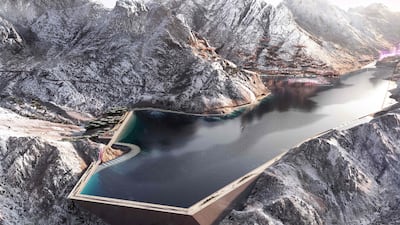
Saudi Arabia has agreed with the Olympic Council of Asia to indefinitely postpone the 2029 Asian Winter Games, which had been scheduled for Trojena, a planned year-round mountain ski destination within the kingdom’s $500 billion NEOM project. The announcement did not provide a specific reason, but the move immediately raised questions about timing, cost, and feasibility for one of the most high-profile sports bets connected to the futuristic development.
The Winter Games plan drew global attention because it aimed to stage snow-dependent events in a region known for desert heat, relying on a massive buildout of infrastructure and technology to create winter conditions. Saudi officials and organizers framed the project as part of a long-term strategy to develop winter sports in West Asia and diversify the economy. Critics, however, have argued that the environmental footprint and engineering demands of such a project would be immense.
The postponement comes as Saudi Arabia balances multiple major commitments. The kingdom is investing heavily in tourism, infrastructure, and global events as part of Crown Prince Mohammed bin Salman’s Vision 2030 agenda, including preparing for the 2030 World Expo in Riyadh and the 2034 FIFA World Cup. When many projects peak simultaneously, schedules can collide with budget constraints, supply-chain limitations, and competing priorities for labor and capital.
Oil revenue remains a key variable in the broader equation. When energy prices soften, large state-backed programs can face tighter scrutiny—even if the long-term plan remains intact. The postponement does not necessarily mean the Games are canceled; the language suggests a reworking of the “hosting framework” and a later date to be announced. Still, shifting a continental multi-sport event without a replacement timeline is a significant signal to partners, investors, and sports bodies.
Organizers said Saudi Arabia will instead host standalone winter sports events in the coming years. That approach may allow the country to build experience, test venues and logistics, and scale up gradually rather than commit to a single deadline. It also reduces the immediate pressure of delivering the entire competition ecosystem—athletes’ villages, transport, broadcast operations, and multiple venues—on a fixed calendar.
For Saudi Arabia, the decision is now a business and credibility challenge as much as a sports one. NEOM remains a flagship initiative intended to attract investment and demonstrate technological ambition. The postponement invites renewed scrutiny of cost, delivery timelines, and the tradeoffs involved in building signature projects while simultaneously courting other mega-events and accelerating domestic development.