Connecticut sports bars close during NFL championship Sunday as a major snowstorm approaches
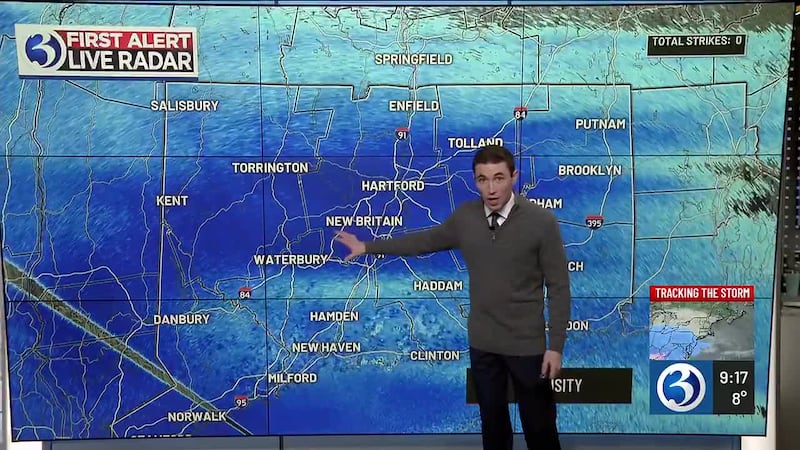
With a heavy snowstorm forecast for January 25, several Connecticut sports bars opted to close for safety—even as football fans prepared for the day’s NFL conference championship games—highlighting how extreme weather can disrupt local commerce on marquee events.
- PUBLISHED
- UPDATED
A profitable Sunday turns into a safety calculation
A large winter storm forecast for Sunday, January 25, 2026 pushed many Connecticut sports bars to close, even as the day’s NFL playoff games were set to draw crowds. CT Insider reported that multiple venues announced they would not open, prioritizing staff and customer safety over what is typically one of the busiest sports-viewing days of the year.
The decision reflects a core reality for small hospitality businesses: on major sports dates, revenue expectations are high, but so are the operational risks when travel becomes dangerous. Owners and managers faced a choice between opening with limited staff and uncertain customer turnout, or closing early to avoid accidents, liability and potential emergency response issues.
Closures, exceptions, and adapting operations
CT Insider listed several well-known bars and restaurants that announced closures due to the storm, while noting at least one exception that planned to remain open. In at least one case, a business said it would still fulfill pre-ordered food deliveries despite closing the dining-room experience, illustrating how establishments tried to salvage some revenue while reducing in-person exposure.
For many venues, game-day sales are not just about drinks and food, but also about the staffing hours and inventory needed to serve large crowds. Storm risk complicates both: deliveries can be delayed, employees may be unable to drive safely, and customers may choose to stay home even if a bar opens.
Broader local economic ripple effects
The bar closures were part of wider storm-related disruptions affecting local institutions, including closures for some churches and government buildings and plans for school disruptions in the following days. When severe weather coincides with a major entertainment weekend, the economic effect spreads beyond bars to ride services, nearby restaurants, retail foot traffic and part-time workers who rely on peak shifts.
Taken together, the closures show how extreme weather can blunt consumer activity even when demand would otherwise be strong. For hospitality operators, the calculus often becomes: lose one day of revenue, or risk bigger costs from accidents, staff shortages and emergency conditions.